Cook and Peary: The Race to the Pole is an unabashedly biased recreation of the controversy concerning the "conquering" of the North Pole. Robert E. Peary (Rod Steiger), a US Navy commander and shameless self-promoter, sets out through Arctic wastes in 1909 to discover the Pole, an expedition that many others have attempted but failed to complete. His principal rival is Dr. Frederick A. Cook (Richard Chamberlain), who insists that he'd already reached the Pole in 1908. Though the experts (and the US Congress) conclude that Perry was first, public opinion is firmly in Cook's corner--as is this TV movie.
In this era of chaos, Wu and Yue compete for power and influence. After the battle of Biaojiao, Yue is on the brink of destruction while Wu secures its dominance. Xi Shi, a Yue woman, and her father escape to the capital in search of refuge. Amidst the turmoil, Xi Shi vows to seek justice for the wrongs done to her and her family.
After precipitating the death of a tenant with whom he has been feuding, Squire Fairfield brings the dead man's young daughter to live in Wyvern Manor. Alice grows up thinking the squire is her kind benefactor, and falls in love with one of his two sons.
Based on the historical legend, this commercially successful film delves into the context of why Mughal emperor Shah Jahan built the Taj Mahal in fond remembrance of his wife, Mumtaz Mahal.
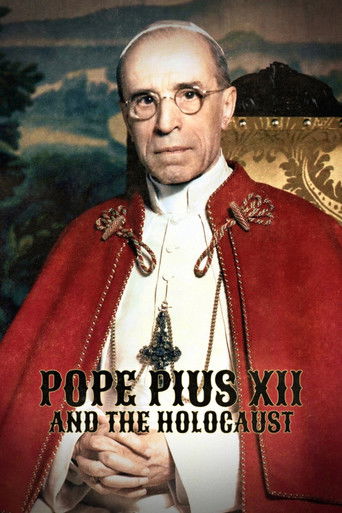
A portrait of Pope Pius XII (1876-1958), head of the Catholic Church from 1939 until his death, who, during World War II, and while European Jews were being exterminated by the Nazis, was accused of keeping a disconcerting and shameful silence.
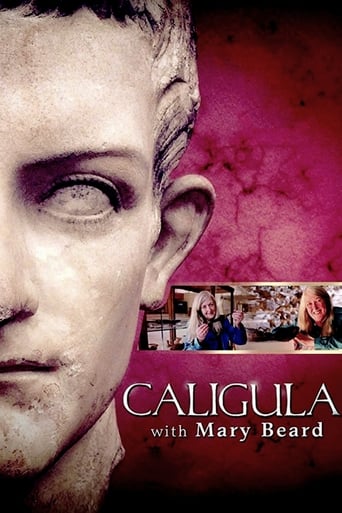
What is true and what is false in the hideous stories spread about the controversial figure of the Roman emperor Gaius Julius Caesar Augustus Germanicus (12-41), nicknamed Caligula? Professor Mary Beard explains what is accurate and what is mythical in the historical accounts that portray him as an unbalanced despot. Was he a sadistic tyrant, as Roman historians have told, or perhaps the truth about him was manipulated because of political interests?
Chin Ping Mei 金瓶梅 (1955) is a Hong Kong feature film written by Ku Wen-Chung and directed by Wang Yin, it was produced by Shaw Brothers Studio. This is an adaptation of the Lotus Pan tale.
Italian airship engineer Umberto Nobile enjoys a quiet life with his beloved dog Titina. One day, Norwegian explorer superstar Roald Amundsen contacts him and orders an airship to conquer The North Pole.
The tormented life of Dante Alighieri, from solitary childhood to death in exile, seen through Giovanni Boccaccio’s journey to rehabilitate his memory.
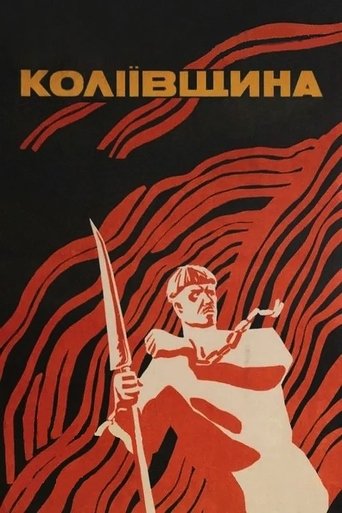
An episode of the liberation movement in Ukraine - the uprising of Kolievs (serfs, artisans and fishermen) against the tyranny of the feudal lords and the Polish nobility, which ended with a brutal massacre performed by a Russian punitive expedition in 1768.
Desperate to help her son, Rabiye Kurnaz, a housewife and loving mother from Bremen, goes to the police, notifies authorities and almost despairs at their impotence and in the end, against all the odds, something truly remarkable happens.
Based on the real life events around Yevfimy Vasilyevich Putyatin, a Russian admiral noted for his diplomatic missions to Japan and China, and the signing of the Treaty of Shimoda in 1855.
French writer recalls her start as the country wife of a Paris publisher who called her erotic work his own.
Porky Pig balks at learning the Pledge of Allegiance until Uncle Sam appears to him in a dream and gives him a lesson in American history.
The film tells the life of the famous dancer and spy Mata Hari.
The two-part TV movie Hitler's SS: Portrait in Evil crystallizes that evil by concentrating on two Berlin brothers. In 1931, Helmut Hoffman a brilliant student and self-styled opportunist, joins Hitler's SS. At the same time, his younger brother Karl, a top athlete and idealist, becomes a chauffeur for the "S.A.".
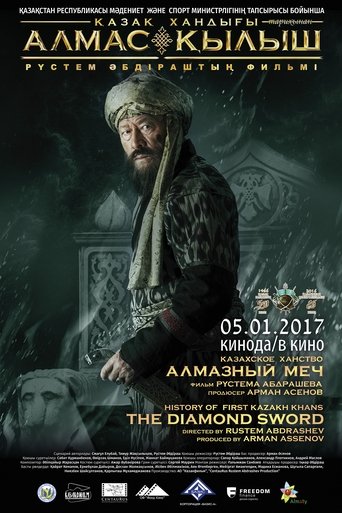
Set in the 15th century, the story follows the formation of the Kazakh state after the death of Genghis Khan and the usurpation of power by one of Khan's descendants, leading the sultans Kerei and Janibek to resort to some nomadic tribes to remove the usurper, hoping for a better life and freedom.
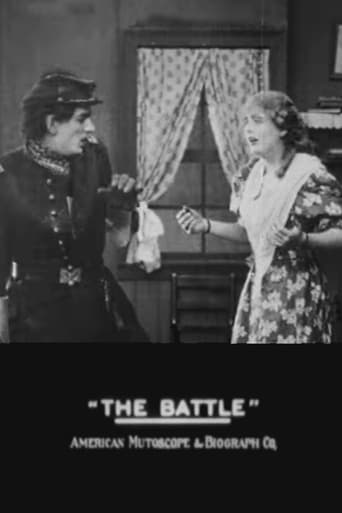
Union soldiers march off to battle amid cheering crowds. After the battle turns against the Union Army, one soldier runs away, hiding in his girlfriend's house. Ashamed of his cowardice, he finds his courage and crosses enemy lines to bring help to his trapped comrades.
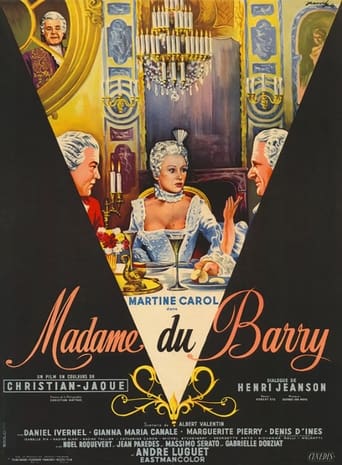
The daughter of a seamstress, Jeanne Bécu could hardly imagine she would later become one of the most influential women of the Kingdom of France...
Activate your FREE Account!
You must create an account to continue watching