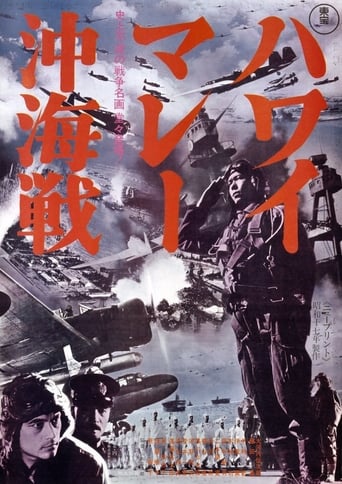
Japanese Navy air cadets train for the attacks on Pearl Harbor and the HMS Prince of Wales.
The heartwarming tale of the dog who waits by the sea every day for the return of its departed friend.
A biographical feature on the Italian literary giant, Gabriele D'Annunzio. Set in late 19th century Italy and France when the artistic style, Decadentismo, was beginning to take shape, the film focuses on D'Annunzio's life when he was already an established poet and journalist in Rome. A staunch opponent of democracy and commoners, he searches for passion and pleasure among the wealthy and noble. One such noblewoman Elvira Fraternali Leoni, serves as the muse for his first novel - The Pleasure (Il Piacere).
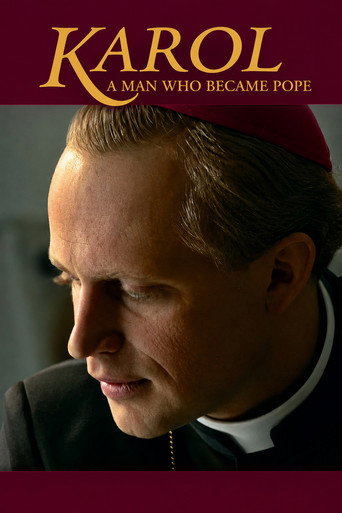
This heroic story follows the life of Karol Wojtyla, a Polish Roman catholic who ascends the throne of St. Peter as Pope John Paul II. As a young boy, Karol is a bright and talented student. Archbishop Sapieha recognizes the very special, moving qualities Karol possesses and encourages him to consider the priesthood. Although determined to study Polish literature, Karol turns to the church; he is ordained and studies in Italy, France, and Belgium. Torn by fear and repression in post-Stalin Eastern Europe, Karol becomes a poisonous thorn in the communists' side. His deer reverence and commitment return him to Poland as Pope John Paul II.
Solidarity, peace, and brotherly love – especially in difficult times. The passion stands for values and has fascinated people for over 2000 years already. Now, Jesus Christ gets resurrected once again in ‘Die Passion’ (The Passion): During the RTL live music event, he awakes in modern times – accompanied by real pop hits. The modern depiction of the final days in the life of Jesus Christ is enacted in ‘Die Passion’ by an array of popular stars of the worlds of acting and music.
Through the childhood and adolescence of Signor Giacomo Casanova (from his memoirs), this is a description of how people lived in 18th-century Venice: their customs, habits, medicine, religion, and--most of all--the omnipresence of hypocrisy.
A story based on true events about two explorers on a doomed journey trying to cross Australia on foot in the 19 century.
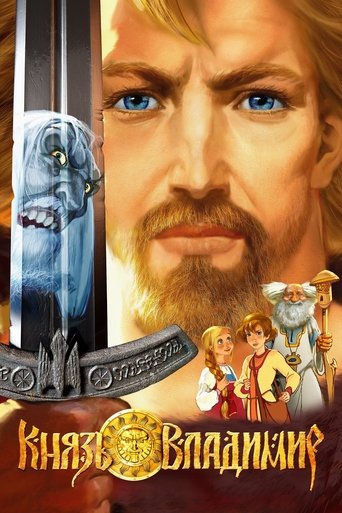
The plot follows the events surrounding Vladimir from childhood and into adulthood. In the beginning of the film, being under the influence of the high priest Krivzha, the Prince is a young, impulsive and cruel pagan. Fighting for supreme power, Vladimir wins a battle that kills his brother. Regretting what he has done, Vladimir does not suspect a conspiracy between the priest and the Pechenegs. Vladimir is concerned about gathering the Slavic tribes into one united state. Solving this major task, he faces obstacles, which Vladimir overcomes in the end, defeating Krivzha and winning the battle against Kurya, a Pecheneg chief.
During the Napoleonic wars, a Spanish officer and an opposing officer find a book written by the former's grandfather.
Budapest, 1948. Gyula Molnár, interpreter to the Supervisory Committee of the Allied Powers, is carried away from a party by plain-cloth police investigators. Recsk, 1950. Molnár, having attempted an escape and with a wound made by a bullet in his neck - is doggedly trying to get into the brigade of brick-layers, as escape is easiest from there.
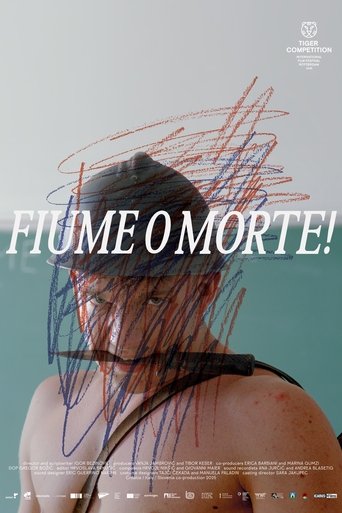
Through dramatic reconstruction and documentary asides, the spirit of Italian poet, playwright, journalist, aristocrat and army officer Gabriele D’Annunzio is captured, presenting the nascent fascism in his attempts to forge a new state in the aftermath of the First World War.
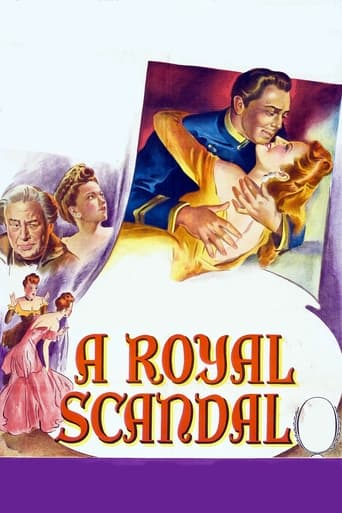
Catherine the Great falls in love with an army officer who is plotting against her.
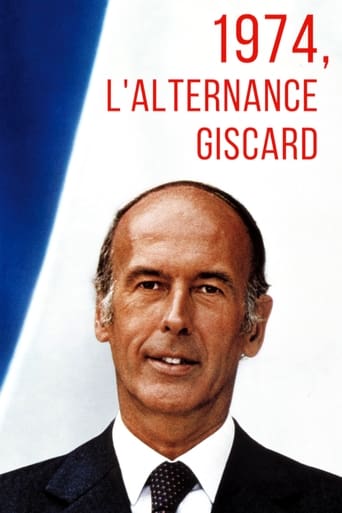
In May 1974, Valéry Giscard d'Estaing became the third President of the Fifth Republic. An alternation of power that did not speak its name opened the doors of power to a reforming president. Abortion, divorce by mutual consent, lowering the age of majority to 18 - in less than two years, the youngest President of the Republic - at the time - carried out reforms with a vengeance, without a united majority in Parliament, before failing in the economic sphere and losing the battle against unemployment. At the age of 90, the former President of the Republic has agreed to look back on these years and gives us a valuable account of his time in power.
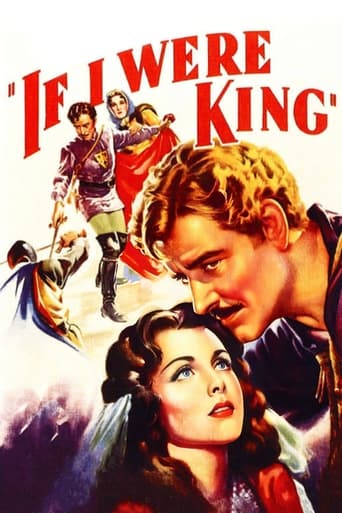
King Louis XI masquerades as a commoner in Paris, seeking out the treachery he is sure lurks in his kingdom. At a local tavern, he overhears the brash poet François Villon extolling why he would be a better king. Annoyed yet intrigued, the King bestows on Villon the title of Grand Constable. Soon Villon begins work and falls for a lovely lady-in-waiting, but then must flee execution when the King turns on him.
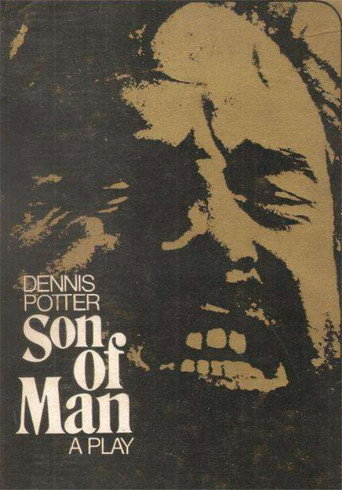
Dennis Potter's controversial reading of the life of Christ, with Jesus portrayed as a hearty, fiery, well-meaning carpenter who believes that people should try to love their enemies rather than fight all the time, but who is racked by self doubt as to whether or not he is the popularly anticipated Messiah.
Set in Burma in the year 1945, Netaji Subhash Chandra Bose plans to launch the INA to fight the British. This is also the time when Adi comes back to Burma to take care of his family business. Upon his arrival, he gets engaged to a British Tasildar’s daughter. Just as he is set to get married, the atrocities of the British keep growing and Adi is forced to fight the British.
The life of the pope John-Paul II, from his youth as a writer, actor, and athlete in war-torn occupied Poland to his election as Pope at the age of 58.
1945. The International Military Tribunal begins its work in Nuremberg. A huge number of people from all over the world come to the trial, which will later be called the Trial of the Century: the city is crowded with journalists, lawyers, translators, witnesses and many participants and employees of the process.
We are with Pasolini during the last hours of his life, as he talks with his beloved family and friends, writes, gives a brutally honest interview, shares a meal with Ninetto Davoli, and cruises for the roughest rough trade in his gun-metal gray Alfa Romeo. Over the course of the action, Pasolini’s life and his art are constantly refracted and intermingled to the point where they become one.
In May 1945, a woman in Marienbad reports a murder - committed in 1933 against the German emigrant Professor Lessing. She also names the murderer. Against the wishes of his superior, who does not feel responsible for this case - it was a fascist femicide - Inspector Šedý picks up the trail and arrests the murderer, the German Eckert. Eckert was a fugitive at the trial in 1933, and now the evidence is no longer available. Nevertheless, Šedý does everything he can to convict him. He finds witnesses who support him - anti-fascists, but also former collaborators who want to clear themselves. Reconstructing the case at the crime scene, Šedý is able to prove that Eckert was at least an accessory. He is convicted. After his release from prison, Eckert goes to West Germany, where he demands compensation from his former clients.
Activate your FREE Account!
You must create an account to continue watching