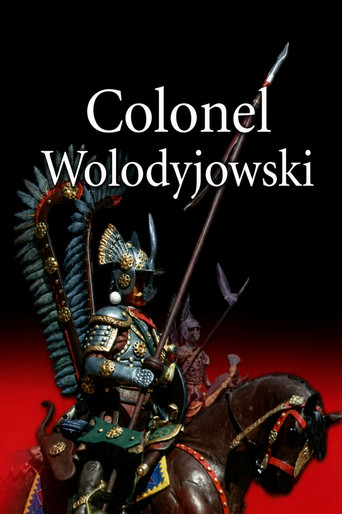
In 1668 Polish colonel Michał Wołodyjowski, who recently retired to a monastery, is recalled to active duty and takes charge of Poland's eastern frontier defenses against invading Tatar hordes and Ottoman armies.
For the poor, Edo is Hell on Earth, starving under the rule of Tanuma Okitsugi, corrupt councilor to the shogun. But the courageous vagabond called “Kageboshi” (Shadow Avenger), will fight for the common folk, robbing the rich so the people will have rice. Tanuma’s henchmen will hire an evil swordsman to pose as Kageboshi, starting a wave of murder, kidnapping and robbery, searching for two antique sword-guards that will reveal the hiding place of a fortune in buried gold. But who will claim the gold? The poor of Edo, or the conniving Tanuma? Only Kageboshi’s flashing sword, tearing through Tanuma’s bloodthirsty minions, can forestall his wicked schemes.
The life and career of Clarence Darrow, the noted American lawyer and civil libertarian.
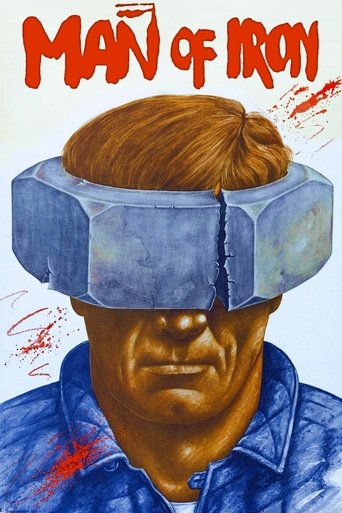
In Warsaw in 1980, the Communist Party sends disgruntled radio reporter Winkel to Gdańsk to dig up dirt on the shipyard strikers - particularly on Maciek Tomczyk, an independent labour union leader whose father was killed in the December 1970 protests. Posing as sympathetic, Winkel interviews the people surrounding Tomczyk, including his detained wife, Agnieszka.
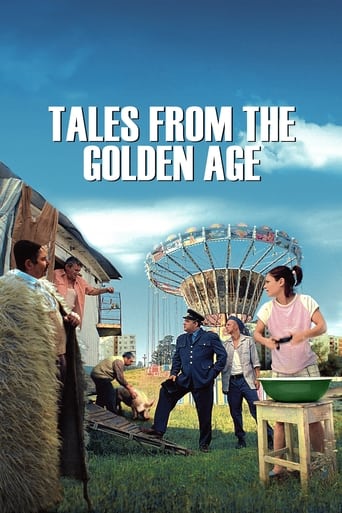
Composed of six unconventional vignettes, each one dealing with the late communist period in Romania, a narrative is told through its urban myths from the perspective of ordinary people. The title refers to the alluded "Golden Age" of the last 15 years of Ceaușescu's regime.
This fascinating historical drama looks at the life of "the Czech Schindler," Zdenek Toman, a controversial figure who was an unsavory politician and dubious entrepreneur, but also the savior of hundreds of Eastern European Jews.
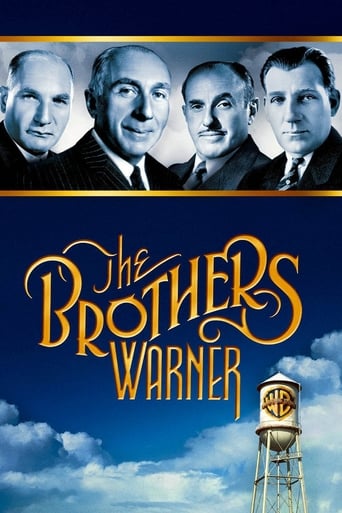
An intimate portrait and saga of four film pioneers--Harry, Albert, Sam and Jack who rose from immigrant poverty through personal tragedies persevering to create a major studio with a social conscience.
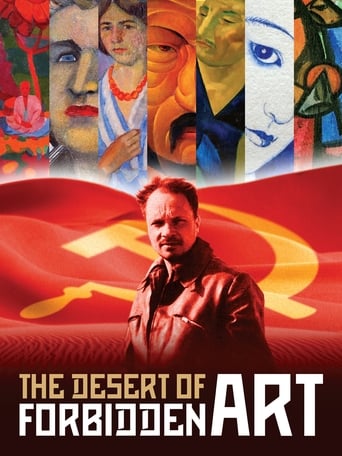
How does art survive in a time of oppression? During the Soviet rule artists who stay true to their vision are executed, sent to mental hospitals or Gulags. Their plight inspires young Igor Savitsky. He pretends to buy state-approved art but instead daringly rescues 40,000 forbidden fellow artist's works and creates a museum in the desert of Uzbekistan, far from the watchful eyes of the KGB. Though a penniless artist himself, he cajoles the cash to pay for the art from the same authorities who are banning it. Savitsky amasses an eclectic mix of Russian Avant-Garde art. But his greatest discovery is an unknown school of artists who settle in Uzbekistan after the Russian revolution of 1917, encountering a unique Islamic culture, as exotic to them as Tahiti was for Gauguin. They develop a startlingly original style, fusing European modernism with centuries-old Eastern traditions.
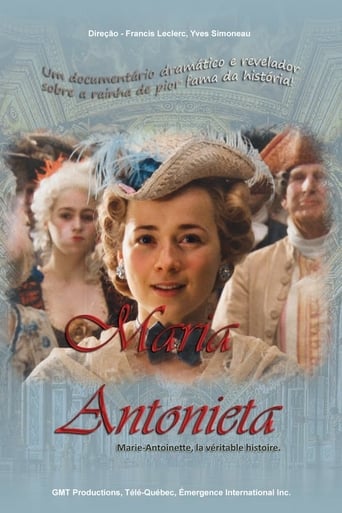
Marie Antoinette, Archduchess of Austria and a very young girl, marries King Louis-Auguste, Dauphine of France. This historical drama tells the tragic tale of a young woman who, in the beginning started out with task, that ended with great sadness and sorrow.
An indigenous clan-based people living in harmony with nature find their way of life threatened when violent interlopers from another culture arrive, intent on seizing their natural resources and enslaving them.
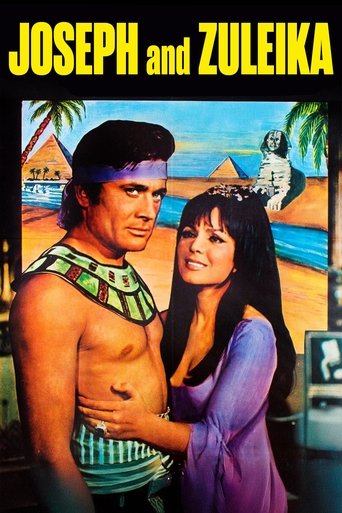
The brothers of Yusuf (Joseph), jealous of their father Yaqub’s (Jacob's) love for him, throw him into a well. A caravan rescues Yusuf, and years later he is sold as a slave in the market of Egypt. Zulaikha, Yusuf's owner, falls in love with him, and after an incident, the Aziz of Egypt (Zulaikha’s husband) has him imprisoned. Seven years later, Yusuf is released due to his interpretation of the Pharaoh’s dream and rises to the rank of Aziz of Egypt.
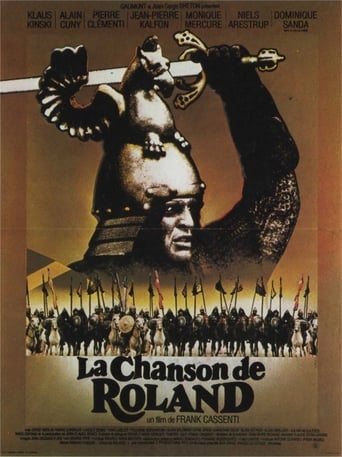
Roland des Roncesvalles is a legendary knight from the age of chivalry in France. In the 11th-century epic La Chanson de Roland, he is depicted as a key figure in halting the advance of the Arabs into France. In this story, the 10th-century legend is staged by a group of 12th-century pilgrims using the 11th-century poem. Their acting is interrupted by a violent peasant uprising, which kills many of the pilgrims. However, one of the survivors, is converted to the peasant cause and later speaks out in favor of more just treatment for the downtrodden.
Shinobu and her brother Genichiro plead with famous swordsman Musashi Miyamoto to teach them to avenge their father's death. The perpetrators of their father's demise see the siblings practicing, and so enlist the help of another revered swordsman, Kojiro Sasaki, giving the latter an excuse to battle Miyamoto.
In a small Turkish town, two young tuberculous poets try to survive while publishing their poems. As they both fall in love, their life would never be the same.
From the first minutes after his inauguration, the newly elected president wants to translate his promises and his campaign project into action. "Change is now", "Change life", "Together everything becomes possible": all campaign slogans promising a break with the past, a change. The first few months were decisive: it was a matter of making a mark, asserting one's style, imposing one's authority and taking the first measures, those that would make a mark on public opinion and set the first lines of the political narrative in history. From 1959 to 2017, the eight successive presidents have acted without delay. Thanks to the many witnesses and actors of these first hundred days, the film retraces the stakes and decisive moments that marked the beginning of each mandate.
The story of the Russian-born, Wisconsin-raised woman who rose to become Israel's prime minister in the late 1960s and early 1970s.
Eva, a mysterious doctor, searches for an answer to her urgent dilemma as she unravels Dr. Anmuth's Book of Vision. Henry gets involved in her life and is forced to confront his own nature, as Eva faces the biggest decision of her life.
"Deserter's Gold", the sequel to the very popular "The Deserters", is a rich war comedy, skipping humorously around the more serious dangers of a war. Deserters Gold takes place during World War II, while the first film happened during WWI. The heroes' mission is to rob a Nazi-run bank in Poland for gold that will buy military supplies for the Polish Underground.
Activate your FREE Account!
You must create an account to continue watching