Takeshiro Matsuura was a Japanese explorer who was the first person to document the inner reaches of what is now known as Hokkaido. He explored the area extensively during the mid 19th century and created a map of the island that included parts which had been ignored by earlier cartographers. He visited Ainu communities and compiled records of the large numbers of the population who had been conscripted for forced labor far from their homes. Matsuura suggested the name Hokkaido for the area
Hashire Melos! is the title of two Japanese animated films. The first was directed by Tomoharu Katsumata and released on Japanese television on February 7, 1981. It was either 68 or 87 minutes long, and its official title did not include the exclamation mark on the end. The second, with the exclamation mark, was a 107-minute remake of the first and was released on July 25, 1992. It featured direction and screenplay by Masaaki Osumi, music by Kazumasa Oda, art by Hiroyuki Okiura and Satoshi Kon, and background art by Hiroshi Ohno. Both were produced by Toei Company Ltd. Visual 80, and both were based on the original short story written by Osamu Dazai in 1940.
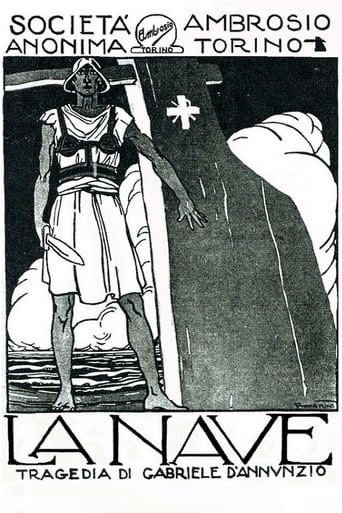
The newly-settled city of Venice in the Sixth Century AD: A wandering people struggle to establish Christian Theocracy. Basiliola Faledro, an exotic dancer, wicked and cunning, arrives from faraway lands seeking to avenge her pagan lineage; Her father and brothers blinded and humilated by frenzied zealots. Her primary targets are the brothers Gràtico, both newly-elected to positions of power: One, Marco, an arbiter and tribune, the other, Sergio, a bishop. The title refers to a bold pronouncement made by Deaconess Ema Gràtico to her subjects the Venetians, a seafaring and desperate tribe-- That their native homeland is aboard a ship.
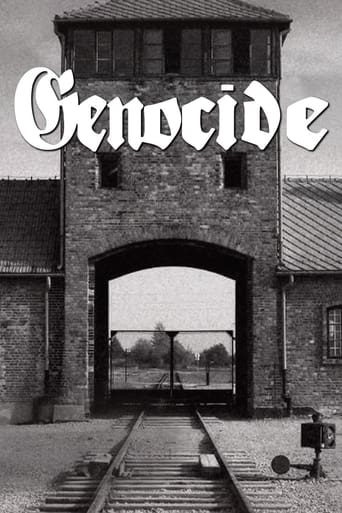
The mass murder of Jewish people by the Nazi regime is chronicled, with a warning that anti-Semitism is on the rise and the events of the Holocaust could happen again. The history of European Jewish culture and events before and during the Holocaust are seen in newsreels, photographs, and animated segments. The words of the victims of the era are read, and footage from the liberation os a concentration camp is shown.
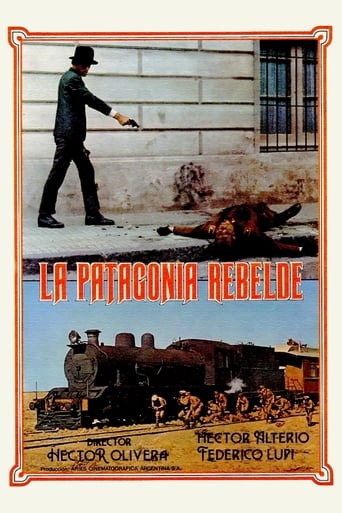
In 1920, workers from Patagonia, in Southern Argentina, gather around an anarcho-syndicalist society and go on strike, demanding better working conditions. When the situation turns unsustainable, President Yrigoyen sends Lieutenant Colonel Zavala to impose order.
Chengumani is commander-in-chief in the 18th-century Coorg region of present-day Karnataka. He becomes the king's commander-in-chief after saving his life, but his life gets complicated when he falls in love with Poovi and marries her in disguise. The movie was dubbed in Telugu as Prachanda Bheri. This was also Rajkumar's first cinemascope movie.
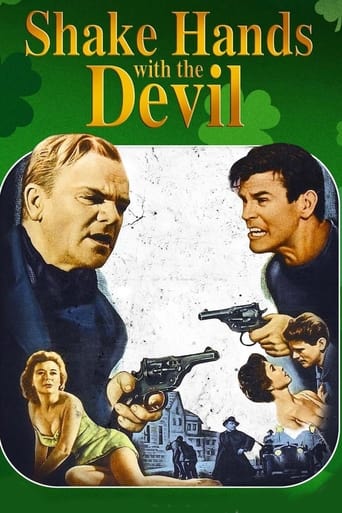
In 1921 Dublin, the IRA battles the "Black & Tans," special British forces given to harsh measures. Irish-American medical student Kerry O'Shea hopes to stay aloof, but saving a wounded friend gets him outlawed, and inexorably drawn into the rebel organization by his former professor Sean Lenihan, who has "shaken hands with the devil" and begun to think of fighting as an end in itself. Complications arise when Kerry falls for a beautiful English hostage, and the British offer a peace treaty that is not enough to satisfy Lenihan.
Based on the life and legend of Antarah ibn Shaddad, a 6th century poet and hero whose poetic works are considered among the greatest in the Arab language.
The passion that Joan of Castile, daughter of the Catholic Kings and heir to the throne, feels for her husband, Philip the Handsome, sovereign of the Netherlands and son of Maximilian of Austria and Mary of Burgundy, is not reciprocated. Her temperament, her jealousy and an unexpected tragedy will throw Joan into the dark realm of madness and obsession with death, the only realm where she will be a true queen…
Detective story set up in the time and place of young Pushkin, at Tsarskosel'sky Liceum.
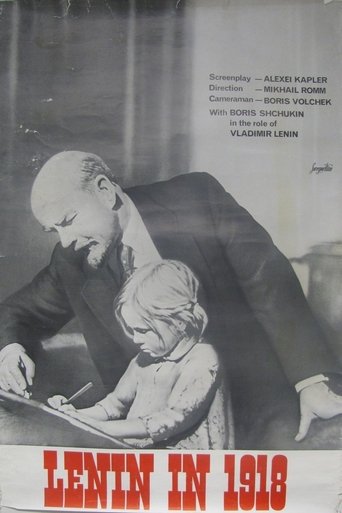
Historical-revolutionary film about Lenin’s activities in the first years after the Great October Revolution in Russia.
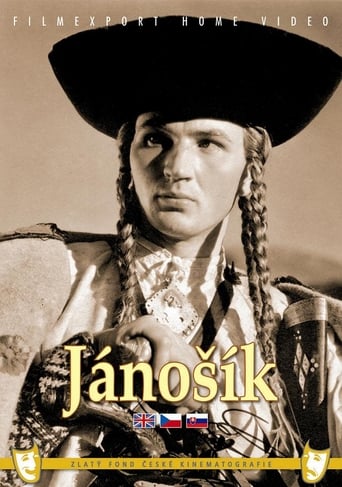
Jánošík has been topic of many Slovak and Polish legends, books and films. According to the legend, he robbed nobles and gave the loot to the poor. The legend were also known in neighboring Silesia, the Margraviate of Moravia and later spread to the Kingdom of Bohemia. The actual robber had little to do with the modern legend, whose content partly reflects the ubiquitous folk myths of a hero taking from the rich and giving to the poor. However, the legend was also shaped in important ways by the activists and writers in the 19th century when Jánošík became the key highwayman character in stories that spread in the north counties of the Kingdom of Hungary (present Slovakia) and among the local Gorals and Polish tourists in the Podhale region north of the Tatras.
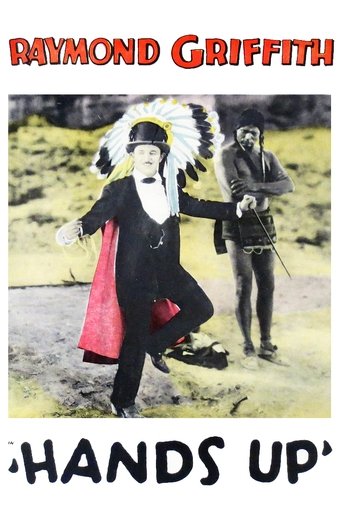
Jack, a southern spy during the Civil War, must try to capture a shipment of gold. His task is complicated by the two sisters, Native Americans, and a firing squad.
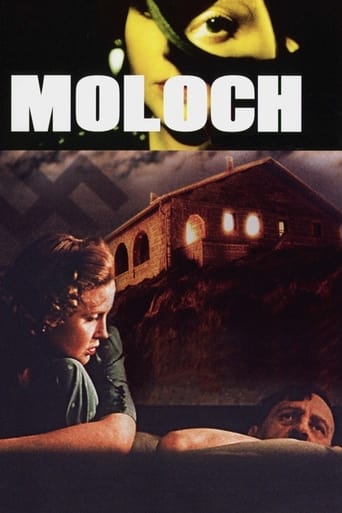
In 1942 Bavaria, Eva is alone, when Adolf arrives with Josef, his wife Magda, and Martin to spend a couple of days without politics.
On July 19–21, 2001, over 200,000 people took to the streets of Genoa to protest against the ongoing G8 summit. Anti-globalization activists clashed with the police, with 23-year-old protester Carlo Giuliani shot dead after confronting a police vehicle. In the aftermath, the police organized a night raid on the Diaz high school, where around a hundred people between unarmed protesters—mostly students—and independent reporters who documented the police brutality during the protests had took shelter. What happened next was called by Amnesty International "the most serious breach of civil liberties in a democratic Western country since World War II."
It is the story of Jiri and Jan, two Czech soldiers, battling alongside the allied forces against the Germans, during World War II in Tobruk, Libya. Jiri Pospichal, eighteen years old, signs up as a volunteer in the Czechoslovak army. His naive ideas about heroism are rawly confronted with the hell of the African desert, complicated relationships in his unit and the ubiquitous threat of death.
Terrified of passing on the madness that runs in his family, Charlie Kilworth (Christian Campbell) stays away from relationships that could lead to marriage and children. Meanwhile, his grandparents (R.H. Thomson and Wendy Crewson) are debating whether to put his mother (Stockard Channing) into a mental institution. Whoopi Goldberg shares producing credits on this generational drama adapted from the acclaimed novel by Timothy Findley.
Málaga, late 15th century. A lost Christian knight seeks to join the King’s armies to prove his worth to his beloved, but he encounters a dying Muslim soldier, becoming his only option to trust his enemy in order to win her heart.
Spain, 1932. Spanish filmmaker Luis Buñuel travels to the region of Las Hurdes, in Extremadura, where he shoots his third film, a very critical and later controversial documentary about the living conditions of the poor peasants, abandoned and forgotten by the national authorities.
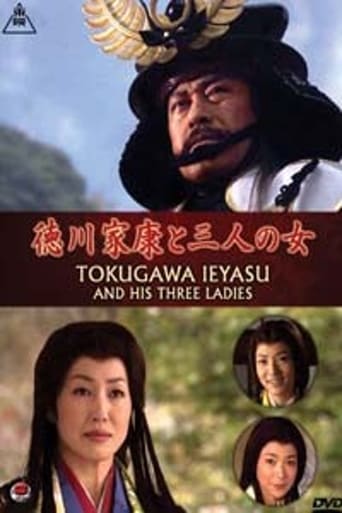
With a mixture of drama, warlords, battles, love, tragedy all set with great music, this made for television movie has it all. Showing the rise of Tokugawa Ieyasu as portrayed by Matsudaira Ken (Abarenbo Shogun) this stunning portrait of an exciting era shows how the influence of three women played a pivotal role in the formation of the Tokugawa Shogunate. Brilliant performances by Nakamura Atsuo (Cold Wind Monjiro) and Nakamura Tamao (widow of Katsu Shintaro) highlight this production as such notables as Oda Nobunaga, Toyotami Hideyoshi, Lady Sena, Princess Asahi, and Lady Yodo jump from the pages of history all leading up to the Battle of Sekigahara that would change Japan forever!
Activate your FREE Account!
You must create an account to continue watching