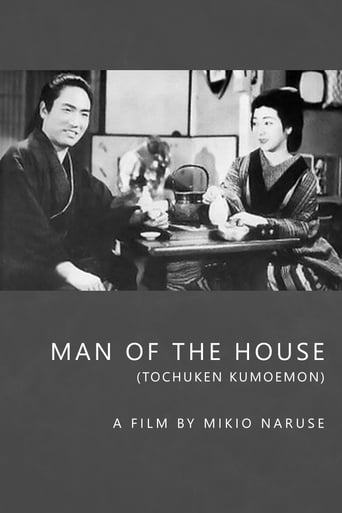
This film is based on a real Meiji era performer -- and tells of Tochuken's partnership with his wife (played by Chikako Hosokawa) who played shamisen for his songs/recitations), his affair with a geisha (Sachiko Chiba), and the deterioration of his partnership and marriage.
In 19th-century Italy, Giacomo Leopardi channels his debilitating illness and isolation into poetry.
Set in the 1800s when Napoleon’s French ruled Europe, the film follows young Austrian carpenter Franz and his Bavarian wife, Katharina as an unforeseen event forces them to flee from Augsburg, Bavaria for Franz’s family home in Tyrol, Austria. Tyrolian sentiment is rising strongly against Napoleon and trouble is stirring. In no time it sweeps up Franz and his brothers along with the whole town.
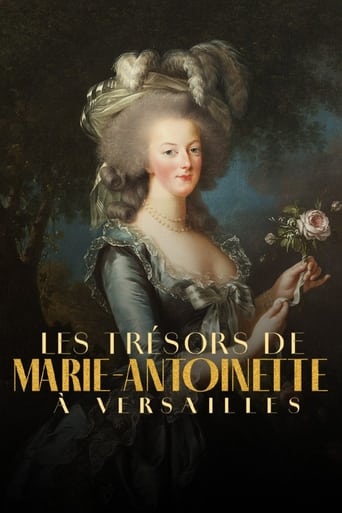
Over time, Queen Marie-Antoinette, who was the most hated woman of her time, experienced a spectacular return to favor. Today, historians and curators show another character: an independent and loving woman in constant search of intimacy who knew how to keep her secrets; a woman with refined, feminine and modern taste who marked her time. At Versailles, in this sublime setting cut off from the world where she barricaded herself, Marie-Antoinette cultivated her own style and influenced, throughout Europe, the tastes of her time.
Delphyne (meaning ‘womb’) discusses the stigma around menstruation. Addressing shame and acceptance, taboos around menstrual blood are told through a fabric-themed metaphor, and the conflict between a mother-daughter relationship; to find a shared unity and language to beat the conflict which projects itself in the shame metaphor that they’ve unwound and removed from their life. The historical connotations of staining, feminine purity and the divide between private and public space as well as ownership of the body come into play. The coming of age theme is reflected in reference to her struggle with the self (alter-ego), struggle with the ‘other’ (male influence) and struggle with the home (her Mother).
A muggy Saigon, late 1945. Stationed at a military camp in French Indochina, two young men--Robert and André--become close friends as they share the boredom and excitement of waiting for their first mission. But when they discover that instead of freeing Indochina from foreign aggressors, they will be fighting natives struggling for independence, their friendship is jeopardized.
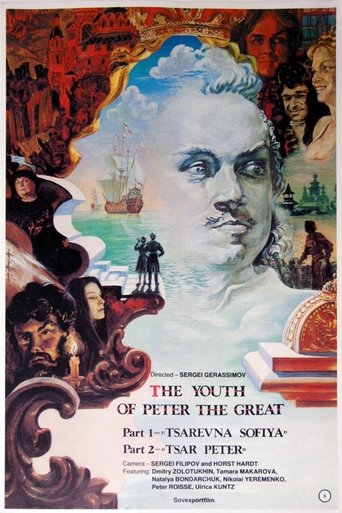
The years of the tsar’s adolescence and youth were permeated with deadly danger coming from some of the Boyars, the rebellious Streltsy and Tsarevna Sophia who aspired for power. But already at that early time Peter demonstrates a profound, bright intellect, a strong will and the sense of purpose, which help him disarm both his open and secret enemies.
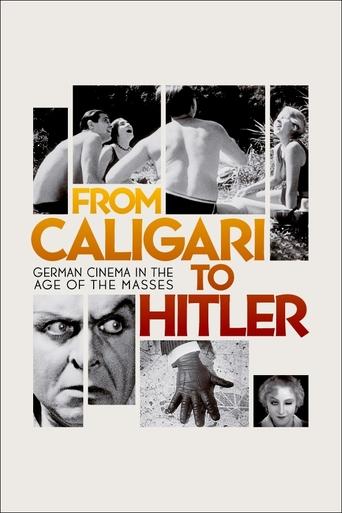
Film journalist and critic Rüdiger Suchsland examines German cinema from 1919, when the Republic of Weimar is born, to 1933, when the Nazis come into power. (Followed by Hitler's Hollywood, 2017.)
Canudos was a small village in northeastern Brazil, founded by the messianic leader Antônio Conselheiro and massacred by a powerful army until the death of the last of its 30,000 inhabitants, on October 5, 1897. The film tells the story of the Canudos massacre from an English cannon, nicknamed by the backlands people "A Matadeira", which was transported by twenty teams of oxen through the backlands to fire a single shot.
Inspired by the Bang Rajan warriors who did not give up hope in their battle against the Burmese invaders, a group of villagers form a guerrilla unit to battle their enemies.
A.N. Ostrovsky recalls the first period of his creative work (1849–1859), when he began collaborating with the Maly Theatre and with masters of the Russian stage such as L.P. Kositskaya, M.S. Shchepkin, and P.M. Sadovsky. Almost every character in this film is a real historical figure.
An unscheduled late night train arrives at Tokyo station on 15 August, the anniversary of Japan’s surrender in World War II. Boarding the train are spirits of great men who died honourable deaths in the war more than 60 years ago. They have come to the modern world to see their homeland as a peaceful country and to tell the lingering spirits of the war dead about the current conditions.
Period music, film clips and newsreel footage combined into a visual exploration of the American entertainment industry during the Great Depression.
In this film, the itinerary of Flavius Josephus at the time of the destruction of the Temple of Jerusalem in AD 70 crosses that of Prime Minister Yitzhak Rabin, assassinated in 1995, and the memory of the Holocaust through images of Poland. Milim reflects Amos Gitai's views on the history of the Jewish people and Israeli society in the wake of Rabin's assassination.
Jan Vacek, a revolutionary of Czech origin, organizes the retreat of communist troops in Baku after the Bolshevik Revolution, following the fall of the local commune...
A peasant leader under the enlightened despotism of Empress Catherine the Great, and a love story.
The video depicts the war of ideologies between Mahatma Gandhi and Nathuram Godse, increasing the curiosity level amongst the viewers to watch the film.
Activate your FREE Account!
You must create an account to continue watching