"Letters from Europe" brings to light the words of men and women who gave their lives resisting the Nazi and fascist conquest from 1939 to '45 across the European continent. The moving goodbyes penned by a few of those sentenced to death are sometimes true spiritual testaments that explore the meaning of civic responsibility, human existence, fraternity, and life and death. Their words, which the film mingles with footage of the present day, can perhaps restore meaning to a humanist ideal and to the ever-changing idea of a united Europe.
A story about the tragic events in the life of besieged Leningrad from September 1941 to January 1943.
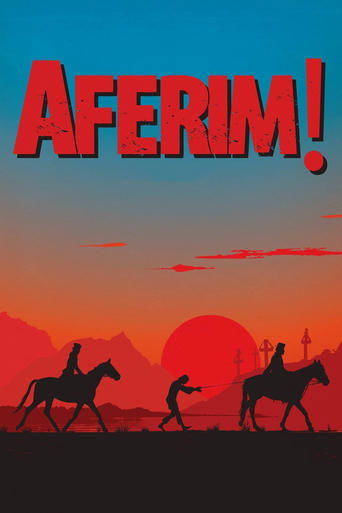
Set in early 19th century Wallachia, Romania, a policeman, Costandin, is hired by a nobleman to find a Gypsy slave who has run away from his estate after having an affair with his wife.
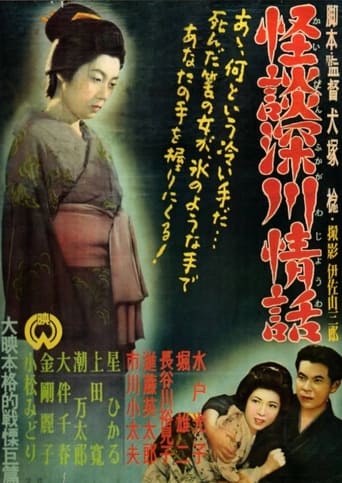
A ghost story about a woman who dies a violent death and appears to the man she loves as a vengeful spirit. This film marked the turning point in Daiei's shift in emphasis from thrillers to ghost stories.
The heart of this dramatic story based on the novel by Leopold Lahola is the search for the principle of humanism. The story plays in a single day towards the end of World War II in a rough, snow-covered landscape where a German soldier escorts his prisoner with orders to shoot him. The background of the story is formed by the flashbacks of the partisan soldier being interrogated by a Russian commissar who wants to know all about him being taken prisoner. The German soldier Helmut Kampen escorts the captive partisan who is condemned to death but finally manages to flee. The commissar wants to know why the Germans did not kill him and accuses the partisan soldier of collaboration
In 2000, as the Hezbollah organization takes over Lebanon, Yossi, a Lebanese soldier, helps his friend Fouad to flee the country in order to avoid punishment, as he’s been working against them for 16 years. Fouad takes refuge in Israel with his daughter, Tanya. A few years later, a new war breaks out in Lebanon, causing tensions at the Israeli border. Yossi’s wife, Myriam, decides to go there and asks for Tanya’s help to look for their soldier son, who hasn’t given sign of life since then. This journey will allow the two women to share their sorrows and heal together.
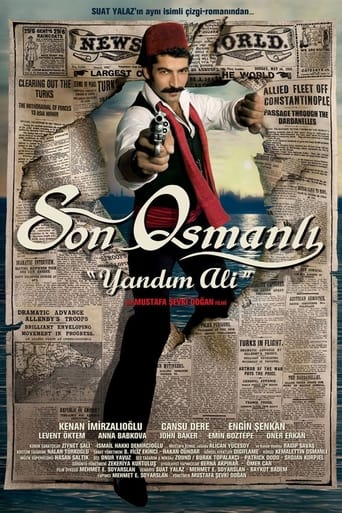
After the First World War, the Allies occupy Istanbul. The protagonist, Yandim Ali is a rogue, discharged from the navy, who doesn't believe that the country can be saved, until he meets Mustafa Kemal (Ataturk), who plans to start a resistance in Anatolia against the occupying Allies, as well as the collaborators of an Ottoman government, that exists only on paper.
Lithuania, 1948. War is over, but the country is left in ruins. 19-year-old Untė is a member of the Partisan movement resisting Soviet occupation. They do not fight on equal terms, but this desperate struggle will determine the future of the whole population. At the age of discovery of life, Untė discovers violence and treachery. The lines are blurred between the burning passion of his youth and the cause for which he is fighting. He will invest himself wholeheartedly, even if it means losing his innocence…
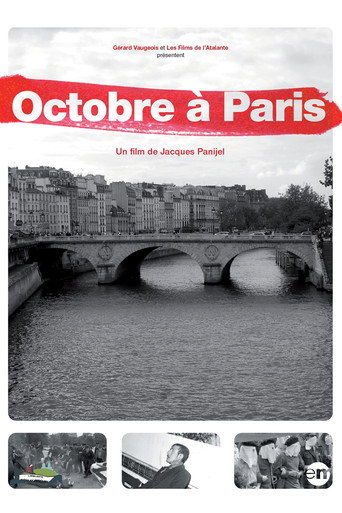
On October 17, 1961, 30,000 Algerians demonstrated peacefully in Paris to protest the discriminatory curfew imposed upon them and to demand Algerian independence. Under the authority of the then Prefect of Police, Maurice Papon, the demonstration was brutally repressed, resulting in the deaths of dozens of Algerians. Historians cite eleven thousand arrests, dozens of murders, demonstrators thrown into the Seine, hundreds of expulsions, and just as many complaints that went unanswered; all for a night that would become a blind spot in the national narrative. No investigation, no trial, and certainly no commemoration. The day after the demonstration, Jacques Panijel began filming *October in Paris* to alert the public to the massacre that had just taken place in the streets of Paris. The film was banned by the French authorities. It obtained a distribution license in 1973. It was first shown in theaters in October 2011.
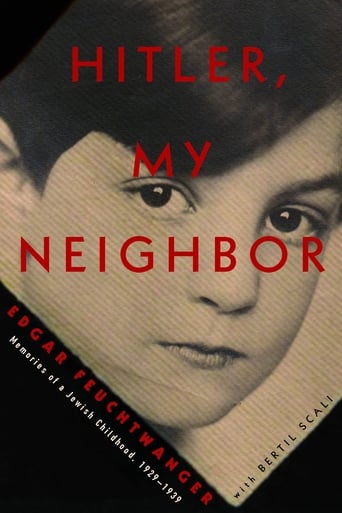
From 1929 to 1939 Edgar Feuchtwanger lived across the street from Adolf Hitler in Munich Germany From his bedroom the young Jewish boy often viewed the Fuumlhrer just across the avenue A schoolboy in Munich at the time Edgar witnessed the rise of Nazism firsthand sharing in the fear and dread felt by all German Jews witnessing the unstoppable ascent of a madman and the start of World War II
Fictionalized reconstruction of the life of the French spy Marthe Richard who decided to contact the secret services during the First World War.
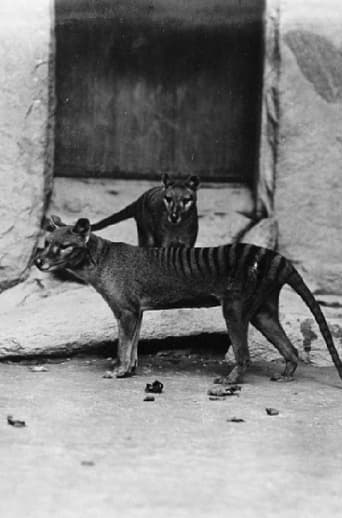
The original film of the Tasmanian tiger (also known as the thylacine) was shot by Australian zoologist David Fleay in 1933 on black-and-white film. Recently, this historic footage has been colorized and digitized by a team of international experts. You can watch the remastered footage of the last-known surviving Tasmanian tiger here. The thylacine, which resembled a medium-to-large-sized canid, had dark transverse stripes radiating from the top of its back. Sadly, the last known thylacine died in 1936 at the Hobart Zoo in Tasmania.
The period is the 1840s and California is part of Mexico. Many of the citizens wish to become part of the United States. Other countries are also interested and the Russians have established bases in the northern part of the state. To further their hold they have stolen guns and Don Arturo Bordega, a leader of those wanting statehood, is out to recover them.
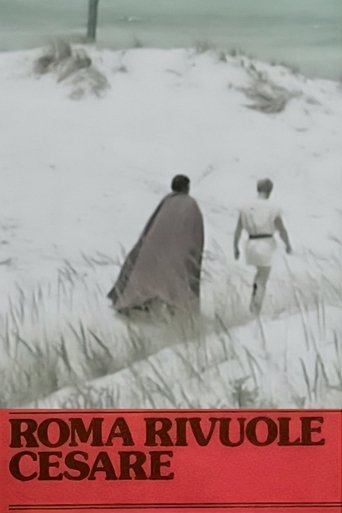
In this costume epic, the last days of Julius Caesar are chronicled.
Father of English literature, the poet Geoffrey Chaucer, involved in storytelling a rainy night at an inn.
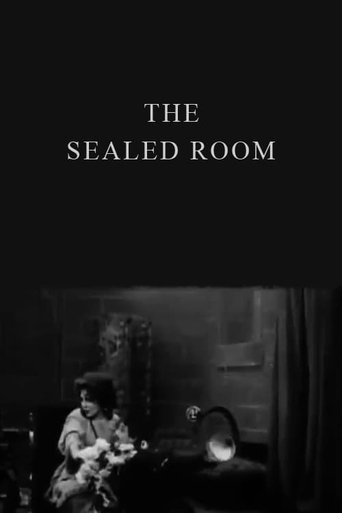
The Count sets out to make a private room for him and his Countess, built in such a way no one can see, hear, and most importantly, disturb them. But unbeknownst to the Count, his wife has set her eyes on the court minstrel. Based on Edgar Allan Poe's “The Cask of Amontillado” and Honoré de Balzac's “La Grande Breteche”.
An animated film about the British engineer Isambard Kingdom Brunel, who spearheaded numerous engineering marvels of the early 19th century - including the Thames Tunnel, the Great Western Railway, and the Great Eastern steamship (for 40 years the world's largest steamship). Various styles of animation are used to depict events in his colorful life.
Activate your FREE Account!
You must create an account to continue watching