On the eve of an invasion in 1982 Lebanon, an 11-year-old boy at a mountain school is determined to express his feelings to a classmate. As tension builds across the country, the day takes an unexpected turn, reflecting the fragile line between innocence and conflict. Through a child's eyes, the film explores the impact of war, the power of love, and the resilience of the human spirit.
Not an easy decision! District Administrator Hans Schuierer from the Upper Palatinate first opposed his own political line in 1981 and finally against the entire Bavarian Free State and Prime Minister Strauss. Because the planned reprocessing plant Wackersdorf promised 3,000 new jobs for the structurally weak region - but what if these are associated with massive health and ecological damage for future generations? Isn't it then the duty of a politician and citizen to resist?
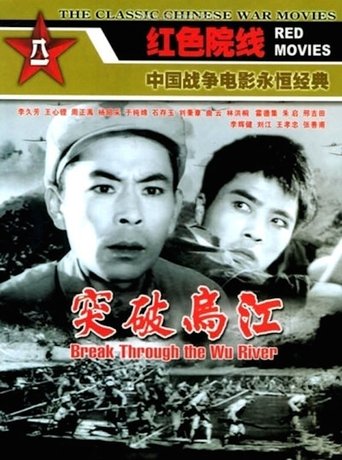
Story of the leading regiment of the First Branch of the Chinese Red Army for Workers and Peasants who defeats a brigade of enemy on the Wu River and conquers the river by 3 days of intelligent combat.
In the early years of the Republic He Changsheng followed his grandfather around the world and learned a lot about medicine. One day, while He and Hu are tending to the shop, a woman dressed as a Miao, Ah Man, comes to the door and asks He Changsheng to pay his father's debt to his son and fulfil his promise.
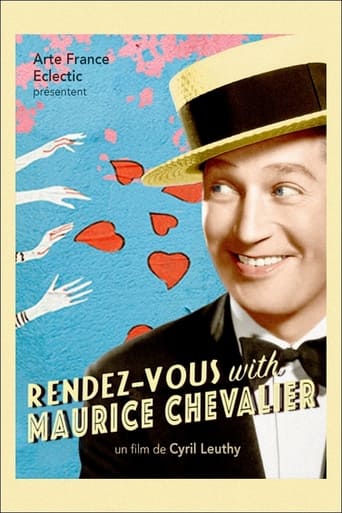
French artist Maurice Chevalier (1888-1972), a legend of stage and screen, was an accomplished singer, actor and entertainer, who embodied the charm of his native Paris throughout a decades-long career that brought him fame in Europe and America and left for show business history a vast repertoire of masterful classic songs and captivating film performances.
A powerful documentary starring Morgan Freeman about the genesis of The Blues in the South and the music spreading around the world. Morgan Freeman shares his story of his experience of growing up in Clarksdale, Mississippi and his love for the Blues.
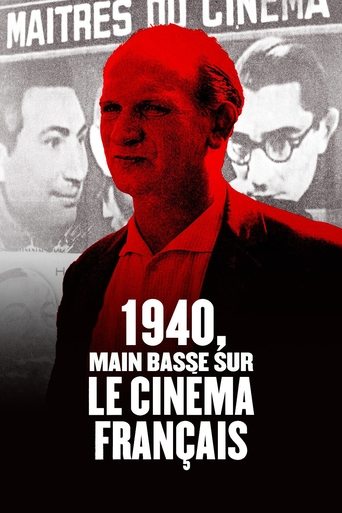
Paris, 1940. German occupation forces create a new film production company, Continental, and put Alfred Greven – producer, cinephile, and opportunistic businessman – in charge. During the occupation, under Joseph Goebbels’s orders, Greven hires the best artists and technicians of French cinema to produce successful, highly entertaining films, which are also strategically devoid of propaganda. Simultaneously, he takes advantage of the confiscation of Jewish property to purchase film theaters, studios and laboratories, in order to control the whole production line. His goal: to create a European Hollywood. Among the thirty feature films thus produced under the auspices of Continental, several are, to this day, considered classics of French cinema.
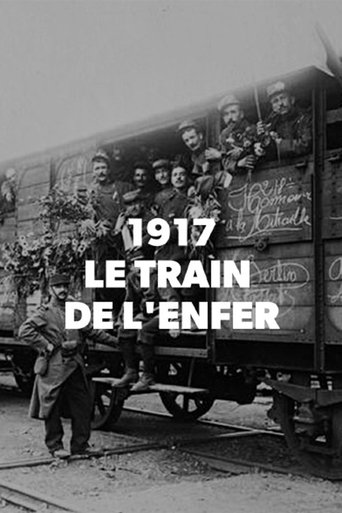
1917, The Train from Hell is an historical documentary about a train accident during WW1.
Set in 15th-century Italy, The Cardinal stars Matheson Lang as one Cardinal de Medici. Bound by the rules of the confessional, the cardinal is unable to disclose the multitude of sins revealed to him by one of his most influential parishioners. De Medici's dilemma is compounded by the fact that the confessor has committed a murder for which the Cardinal's brother has been arrested. The basic plot gimmick was good for another go-round in the 1953 Hitchcock flick I Confess. This 7-reel British film was based on a play by Louis N. Parker.
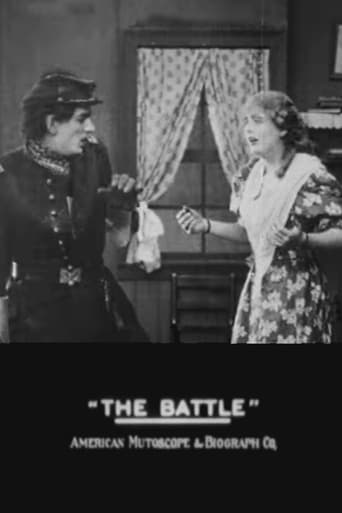
Union soldiers march off to battle amid cheering crowds. After the battle turns against the Union Army, one soldier runs away, hiding in his girlfriend's house. Ashamed of his cowardice, he finds his courage and crosses enemy lines to bring help to his trapped comrades.
Demand full automation, demand a reduced work week, demand universal basic income, destroy the work ethic.
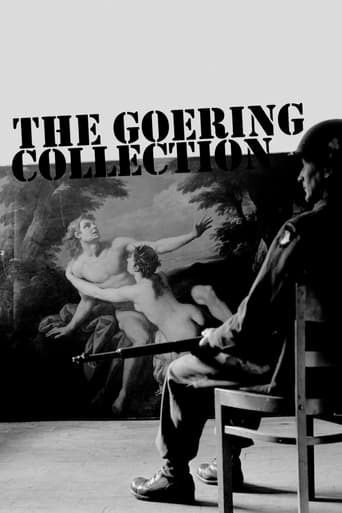
For more than a decade, Reichsmarschall Hermann Goering, Adolf Hitler's right-hand man during the infamous Third Reich, assembled a collection of thousands of works of art that were meticulously catalogued.
A film based on the biography of the famous Russian balalaika player Vasili Vasilevich Andreev (1867-1918), a self-taught virtuoso musician, who brought balalaika to the concert stage.
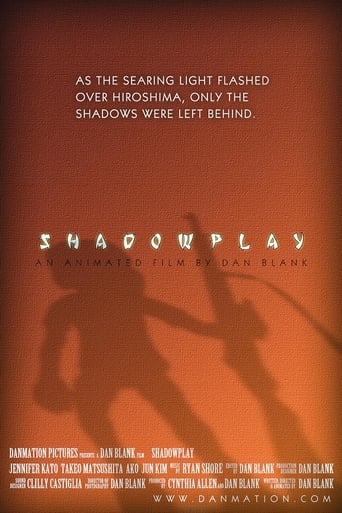
A stop-motion film, written, animated, & directed by Dan Blank.
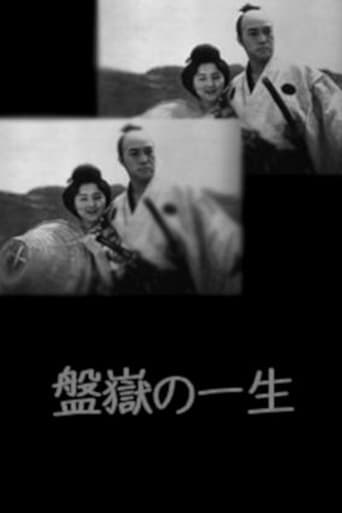
Yamanaka Sadao's fourth feature film. The Life of Bangaku
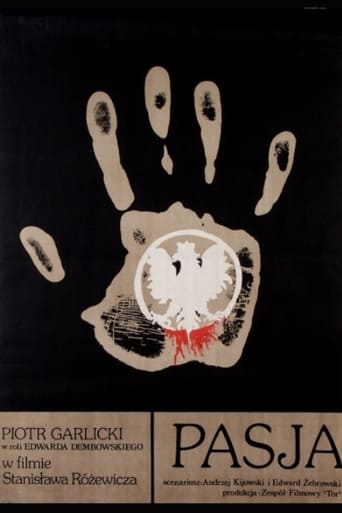
The last days in the life of Edward Dembowski (1822-1846), the organizer of the Kraków Uprising in 1846. The informal leader of the uprising, determined to fight for the unification of Polish lands and the liberation of the peasants, negotiates with other politicians.
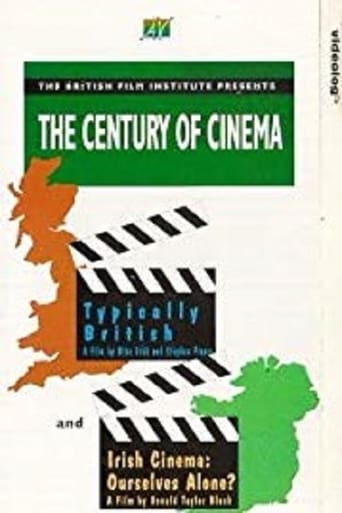
The Irish entry in the BFI's "Century of Cinema" documentary series examines Irish filmmaking in a decade when the country is going through a highly significant period of creativity and growth in cultural self-confidence. The film makes connections and contrasts, illuminates parallels and continuities, as it weaves through 100 years of cinema in Ireland.
A documentary that recounts the many ways in which American slavery persisted as a practice many decades after its supposed abolition.
Activate your FREE Account!
You must create an account to continue watching