A Hong Kong historical drama
Compelled by the inheritance of a mysterious box of letters, American aesthete Felix Pfeifle begins the journey of a lifetime to reach the source of the correspondence: the last heir of the Holy Roman Emperors, aging Archduke Otto von Habsburg. The quest takes Felix across America , over the Atlantic and beyond.
Wales is an edge of magnificent landscape and majestic medieval locks. On every square kilometer here are more locks, than somewhere in the world: from romantic ruins to the majestic fortresses. The familial locks of Wales remember time of bloody murders, cruel intestine war.
Throughout the 19th century, imaginative and visionary artists and inventors brought about the advent of a new look, absolutely modern and truly cinematographic, long before the revolutionary invention of the Lumière brothers and the arrival of December 28, 1895, the historic day on which the first cinema performance took place.
The film is about the revolution which began bacause of dissemination of Bolshevik ideas among workers.
On March 24, 1944, in the heart of Nazi Germany, 76 British, Canadian, Norwegian and French pilots who were held in Stalag Luft III, a prison camp of the Luftwaffe, escaped. Unique testimony from the last survivors, recreations and today’s digital images sheds new light on the audacious escape.
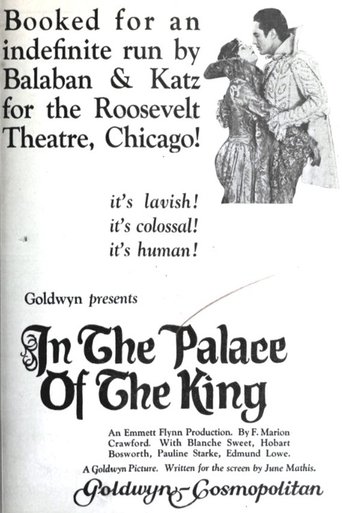
King Philip of Spain is jealous of his more popular brother, Don John, and sends him into battle against the Moors, hoping he will not return. Don John is in love with Dolores, daughter of General Mendoza, but the general discourages her, as Don John is betrothed to the Queen of England's sister. Don John returns victorious, and following a dispute over a secret letter, the king stabs his brother and leaves him for dead. When Mendoza accepts the blame, Dolores, who knows the truth, tells the court she had been dishonored by Don John, causing her father's reaction. Dolores then threatens the king that she will reveal his guilt unless her father is pardoned. The king pardons Mendoza, Don John recovers, and he and Dolores marry.
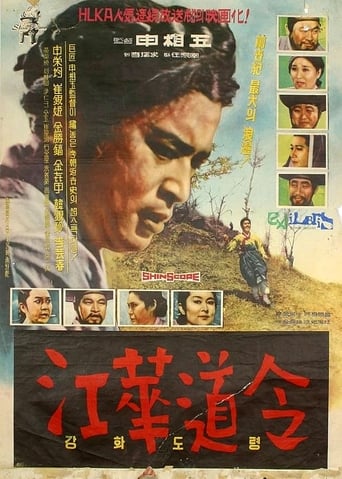
When King Heon-kong falls ill, a power struggle erupts over who will inherit the throne. Tired of all the infighting, the ministers arrange for a branch of the king's family, which had lost all its wealth and was living on remote Ganghwa Island, to inherit. But the heir to the throne is reluctant to leave his island home.
In a remote village in colonial India, an old man and his grandson display strong differences in their attitudes towards the country’s British rulers.
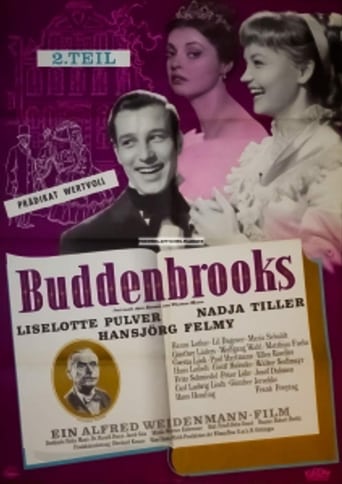
Second part of two of the saga of the troubled Buddenbrook family and their business in 19th century Germany.
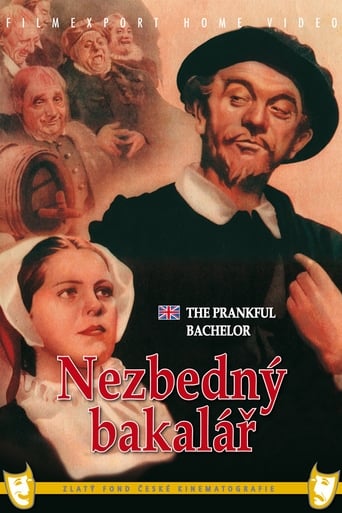
Even the pre-Blohemian times were not idyllic. Even a bachelor, invited by the consuls to Rakovník to elevate the local education system, finds out. But the stingy and proud townspeople soon grow to dislike him, and even love does not develop according to his wishes.
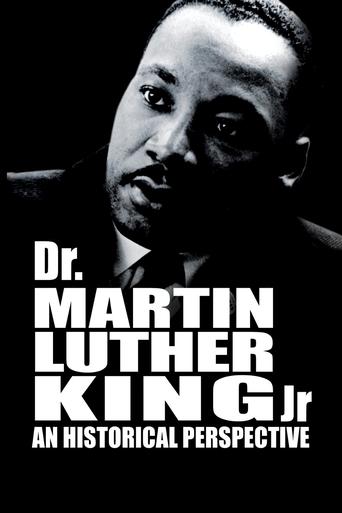
Documentary film focuses on the Civil Rights leader's many groundbreaking accomplishments. Footage covers Dr. King's war on poverty and his staunch opposition to the Vietnam War. Also included is his stirring "I Have a Dream" speech.
During a rugby tour of Britain and Ireland in 1888, a young New Zealander searches for his father who he has never met. While there he falls in love with the daughter of an aristocrat.
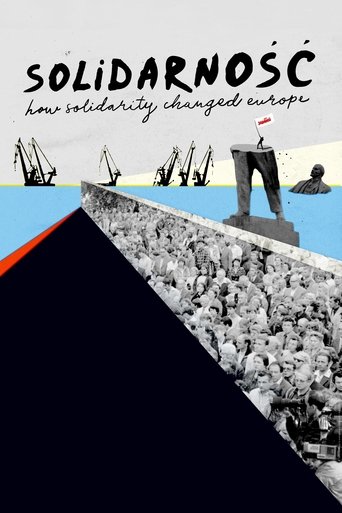
Gdańsk, Poland, September 1980. Lech Wałęsa and other Lenin shipyard workers found Solidarność (Solidarity), the first independent trade union behind the Iron Curtain. The long and hard battle to bring down communist dictatorship has begun.
A national coach working in Lisbon during World War II also acted as a spy for the Allies, leading a risky double life
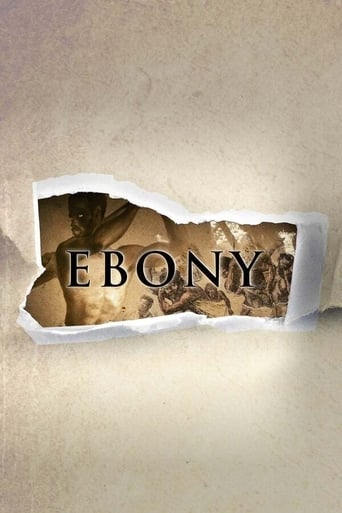
First-person accounts of slaves, ship owners, traders and colonists recounting the struggle to end the Atlantic slave trade. Drawing on the logbooks, letters and diaries of the victims and witnesses to one of history’s most brutal eras, depicted through dramatic recreations, bolstered by authentic drawings and period documents, featuring insight from historical experts around the world.
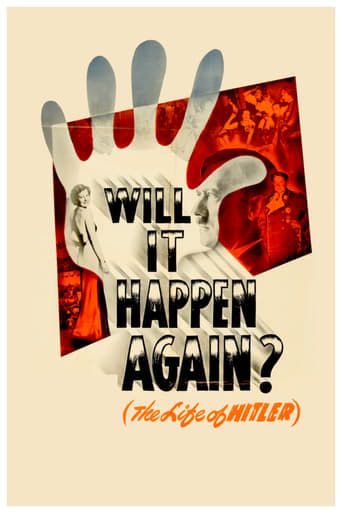
An account of Adolf Hitler's rise and fall, his relationship with Eva Braun and their days of leisure at the Berghof, their Bavarian residence.
Via the New York Times: "...a dialogue between found objects... the remarkably calm, somewhat banal wartime journals of Ernst Junger, a German writer and army officer living in occupied Paris in World War II, and newsreel footage of Paris as it really was."
A journey through the artistic life of the British-American rock band The Pretenders, formed in 1978, and a portrait of its leader, the charismatic singer and songwriter Chrissie Hynde.
Activate your FREE Account!
You must create an account to continue watching