Shortly before his death, Marek Edelman (1919-2009), former commander of the Warsaw Ghetto Uprising (1943) against the Nazi occupation, wonders about several basic themes of human existence in relation to the Shoah: how was it possible to enjoy love, tenderness, passion and lust while the whole world was crumbling and burning around.
Two-part miniseries about the real-life "Iron Governor" who battled the Sicilian Mafia during the early decades of the 20th Century.
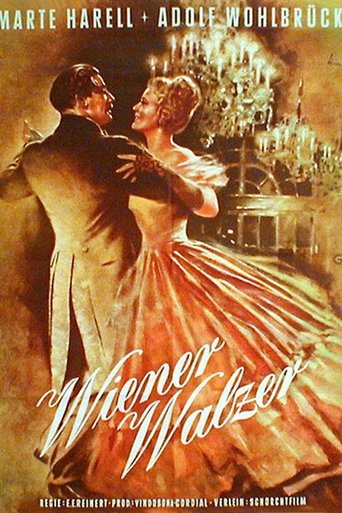
A biography of the composer Johann Strauss.
And the invisible battle began! It was necessary to act swiftly. Menshikov tries to snatch Peter II from the clutches of the conspirators, but they arrange an escape for the emperor under the nose of the prince's agents. Menshikov is chasing the kidnappers! Remembering that Menshikov is terrible in anger — he chopped the heads of the archers with his own hands — the conspirators hurry Peter II to sign the papers prepared in advance and, seizing them, hide together with the tsar.
A historical drama about the tragic fate of Nadezhda Alliluyeva, a woman who remained in the shadow of her husband Joseph Stalin. In 1918, 16-year-old Nadezhda married 38-year-old Joseph Stalin, a close friend of the Alliluyev family. The love of Nadezhda and Joseph develops against the backdrop of important historical events - revolutions, wars, arrests, and every year Stalin seizes more and more power. Realizing the terrible essence of her beloved husband, Nadezhda still remains faithful to him. But how long can she withstand this struggle with herself?
An idealistic young woman travels to the jungles of Indonesia to teach literacy -- and much more -- to local children.
This film shows the realistic battle scenes of the Siege of Moscow, with the sensational defeat of Napoleon, with the belching cannon, the battling soldiers, scenes of heroism and daring reproduced in the most exquisite photography.
A movie about a Brazilian entrepreneur who rivalled American's richest man at his time, well-known Rockfeller. Irineu Evangelista de Souza in 1867 had $155.000 contos de reis, meanwhile the Brazilian Governement annual budget was 97.000 contos de reis. The movie shows his life from poverty to riches and back to poverty again, as is common in Brazil, rich people die poor.
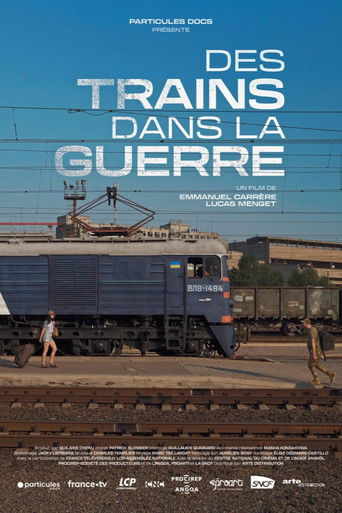
World War I (1914-18): French cities are reduced to rubble. World War II (1939-45): Allied bombardments turn most of the major German cities into a desolate wasteland. The political, social and aesthetic problems caused by the ruins, indisputable proof of the devastation of war.
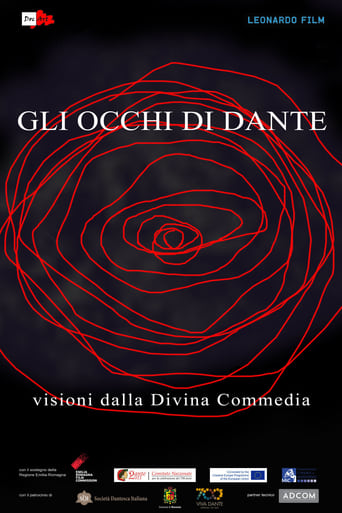
He is considered the greatest European poet of the Middle Ages and his work unfolds the whole panopticon of occidental education – theology, philosophy, sciences, politics and literature. But who has really read it, the “Divine Comedy”? Who knows more of its creator Dante Alighieri than that he had an eagle-like profile and was in love with a woman named Beatrice? 700 years after Dante’s death, the filmmaker Adolfo Conti travels through Italy with Dante’s words in mind and eyes to see the world as Dante did. As the film encounters the beauty of arts and the Tuscan landscape, the forces of nature, a dramatic life story is unfolded.
This kaleidoscopic, amphetamine-paced tour de force uses a barrage of found-footage images and rapid-fire narration to trace a history of Zaire since its independence in 1960.
A possible impostor torments a newly crowned medieval czar who may have ordered the real successor's death.
Marvel at the all-star musical cast of Jackson Browne, Arlo Guthrie, Pete Seeger, Sarah Lee Guthrie, many other musicians as well as an audience of one-thousand longshore workers. Bridges was an immigrant working stiff who loved Karl Marx and Jack London, and who fought government persecution for 21 years to become an American citizen. He had a profound effect on the American labor movement, at the same time counting Charlie Chaplin, Orson Welles and Paul Robeson among his friends, He was revered by some, hated by others --a hero or the devil incarnate--but he faced it all with a twinkle in his eye. As Harry Bridges, Ian Ruskin takes you on a captivating journey through some of America's most exciting and turbulent years.
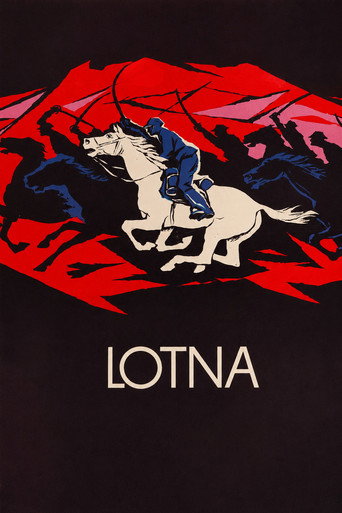
Set in the beginning of World War II, when the Polish cavalry still fought with lances against German troops, the movie is about a white thoroughbred horse that passed through various hands in a military outfit.
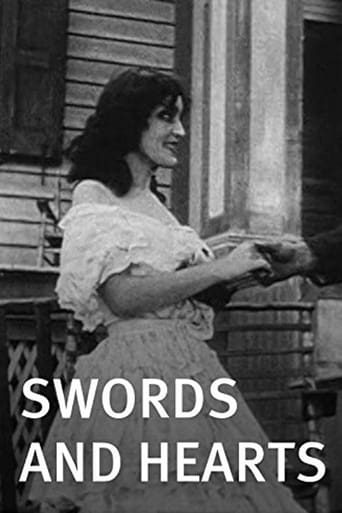
A poor girl is secretly in love with a wealthy young planter.
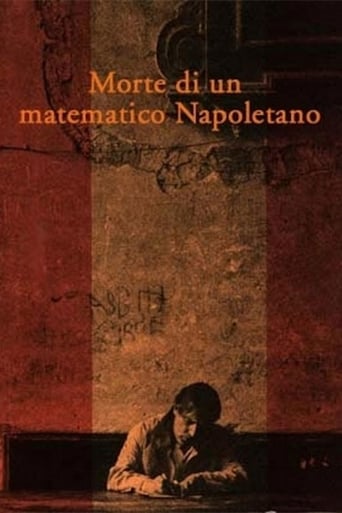
Naples, 1959. Pure Mathematics professor Renato Caccioppoli, Bakunin's grandson, is a tortured soul. Recently discharged from the psychiatric hospital, left by his wife, and increasingly disillusioned with academia and the Communist Party, he lives his last days with painful detachment.
Activate your FREE Account!
You must create an account to continue watching