Meera, a devotee of Lord Krishna, believes she is married to the lord and rejects her marriage to a Rajput prince. However, her spirituality leads her to face many hardships.
This is the glorious story of the Hittites - the most powerful people in the Near East of their time. Narrated by Academy Award winner Jeremy Irons, "The Hittites" brings the fascinating history of this mighty empire to life with expert interviews, stunning cinematography, dramatic reenactments, and visual effects. Highlights include a breathtaking recreation of the controversial battle of Kadesh that decimated the armies of Egypt's Pharaoh Ramesses II. Based on the actual words of the Hittites, deciphered from ancient clay tablets excavated in the 20th century, their story unfolds as beautifully as it written almost 3500 years earlier.
The film chronicles the life of Ahmed Zabana, a man who fought for Algerian freedom in the Battle of Algiers. This film chronicles Zabana's fight to free his country to independence, and his death at the hands of French authorities.
Madame de Montespan, the Maîtresse-en-titre of Louis XIV, has been in disgrace since the King set eyes on a younger beauty, Marie-Angélique Scorailles. Having had enough of the situation, the rejected mistress decides to visit La Voisin, a woman known as a fortune teller, a doctor, a midwife and who is also said to arrange black masses and sell poisons. Some time later Marie-Angélique, now Duchess of Fontanges, dies mysteriously aged only twenty...
A portrait of the ruthless dictator Nicolás Maduro, who has ruled Venezuela with an iron fist for more than a decade, despite domestic opposition, international pressure and economic sanctions.
It was the reign of Louis XV and, in 1750, France was at war all the time, and the people, suffocated by taxes, liked their beloved Louis less and less. When the governor of Dauphiné arrived in Saint-Étienne-de-Saint-Geoirs, he had to deal with opponents of the regime who had gathered around cooper Louis Mandrin. Mandrin becomes the vigilante who respects his king, but does not tolerate the oppression of the poor through taxation.
The story of the American music dynasty, the Carters and Cashes, and their decades-long influence on popular music.
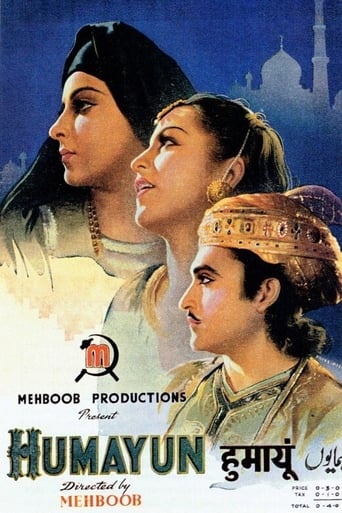
The film follows Humayun’s rise to the throne, his struggles to maintain the empire, and his conflicts with rivals—especially Sher Shah Suri, who defeats him and forces him into exile. Amid political upheaval and personal loss, the story also explores Humayun’s relationships, particularly with his noble wife Hamida Banu. Eventually, with Persian support, he regains his empire, but his triumph is short-lived, as his reign ends with a fatal accident.
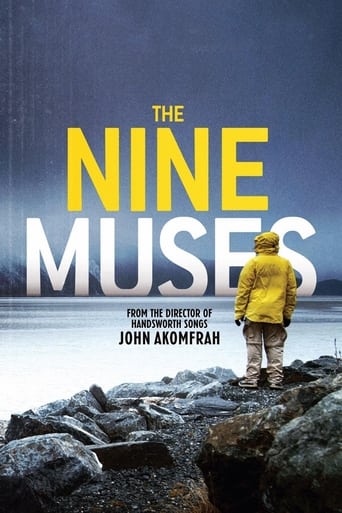
Part documentary, part personal essay, this experimental film combines archive imagery with the striking wintry landscapes of Alaska to tell the story of immigrant experience coming into the UK from 1960 onwards.
'Ungrateful' is a romantic drama that takes place at the time of Moses and charts the stories, alliances and feuds between a number of Jewish tribes. Among other stories and subplots, it tells the story of two Jewish cousins, Ameel and Ashel, who both want to marry Anael, the beautiful girl of the tribe. But a murder disturbs the peace of their Jewish tribes. This film is inspired by the famous story of Moses' sacrificial cow.
In this short, a modern-day promoter tries to sell a man the idea of searching for Captain Kidd's buried treasure, claiming he has the original map. A flashback reveals that Kidd was known to be a pirate and also to have had a commission from William III at one time, which instructed him to act as a unit of the British Navy. What became of the fabulous treasure Kidd took from the ship "Kedah Merchant".
In 1973, after Pinochet's coup, Chile was one of the most dangerous places in the world. The only apparently safe place was the embassies. The film is based on real accounts by João Carlos Bona Garcia who spent 42 days inside the Embassy in these conditions “of not knowing if he would be alive the next day” and survived.
The end of an eight-year upmarket renovation of the legendary Chelsea Hotel is partly longed for and partly dreaded by the artists who still live there. The film grants us access to their apartments and interweaves the past with the present.
In January 1942, the U.S. military created a new bomber command, the Eighth Air Force, and sent a small contingent of men overseas to loosen the Nazis' grip on Europe. The command's star player was the B-17, a fast, heavily armed aircraft that changed the course of World War II. Witness them take on the mighty German Luftwaffe over enemy skies. Discover the story of how one B-17--the Memphis Belle--and its crew lifted the spirits of a nation and became a symbol of American prowess in defense of freedom.
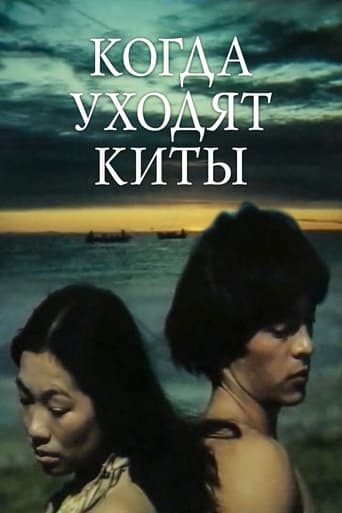
Poetic tale of love between of the hunter Gilgil and his beautiful wife Tintin, told through the Chukchi myth imagery.
A biography of the American rock band The Beach Boys, with interviews, concert footage and clips from movies and television shows they appeared in.
'Hannah' tells the story of Buddhist pioneer Hannah Nydahl and her life bringing Tibetan Buddhism to the West. From her idealistic roots in 1960's Copenhagen to the hippie trail in Nepal, Hannah and her husband Ole became two of the first Western students of His Holiness the 16th Karmapa - the first consciously reincarnated lama of Tibet in 1110. Hannah went on to become an assistant and translator for some of the most powerful Tibetan lamas and a bridge between Buddhism in the East and the West.
Princess of Rome, Mellika, granddaughter of Great Caesar. The story talks about her move from Byzantium in the 9th century, to avoid her marriage with Krytos, and brings her to Baghdad to become the mother of Imam Mahdi, the Savior.
In 1948, a cross-fire erupts at an isolated stretch of Indo-Pak border, leaving only two soldiers alive. One is an Indian soldier of Pakistani origin while the other happens to be a Pakistani soldier of Indian origin. An ironic story of pride and survival begins when - in an attempt to evade danger, they bump into each other. And amidst continuous exchange of bullets, altercations and murkier situations, it evolves into a journey of human connection with an unforeseeable end.
Tony Robinson takes a look at the facts behind the myth of Shakespeare's Macbeth, and finds a quite different character and story to that created by the 'Bard of Avon'.
Activate your FREE Account!
You must create an account to continue watching