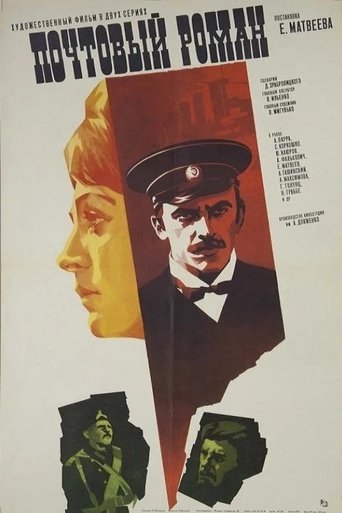
The plot is based on the story of the complex relationship between Peter Schmidt and Zinaida Rizberg, with whom he corresponded after a chance meeting on the train.
Four rebellious teenagers in 1st century Roman-occupied Wales must flee their village and live in the wild after they accidentally kill a Roman soldier and cause an uprising. They must learn to live together or risk facing the wrath of Rome.
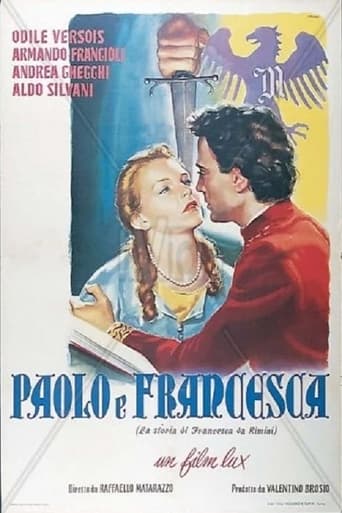
The tragic love story, already narrated by Dante in his Inferno, of Paolo Malatesta and Francesca da Polenta. Francesca is married to Paolo's brother, Gianciotto an old and crippled man and secretly Paolo's mistress. When Gianciotto finds out tragedy ensues.
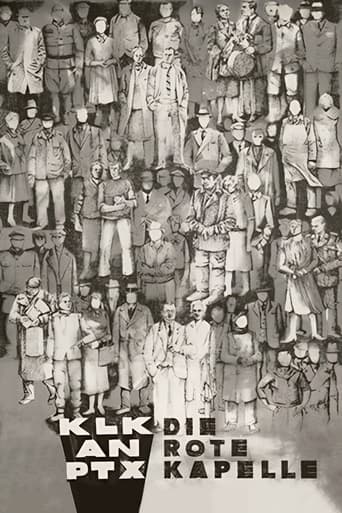
East German film about the history of Red Orchestra, a real life German pro-Soviet spy ring created after the rise of Hitler that turned into a resistance movement led by a leftist Nazi officer, Harro Schulze-Boysen, and Arvid Harnack.
Our Anguilla is a short film about the history of Anguilla (British West Indies). The film was shot on location in Anguilla in the summer of 2008.
John Newton is captain of a slave ship moored off the coast of Nigeria. He stands at a crossroads in his life, his morality and religion at odds with the brutality of his chosen profession. Stepping ashore, he starts on a journey of redemption that will end in tragedy but prove the catalyst for greater achievements. A local anthem sung in adversity by the slaves whom he captures punctuates the film. It will be the inspiration for Newton's redemption and for his writing of the hymn Amazing Grace.
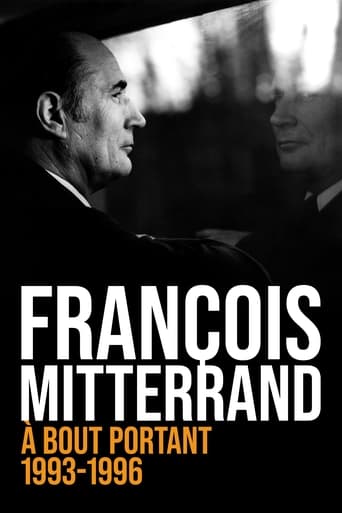
"What could be more unsettling than a man close to death whose profound arrogance drives him relentlessly to hang onto both his power and his writing, to the bitter end?" In the twilight of his second seven-year term, François Mitterrand was alone. Ravaged by illness and abandoned by a large majority of the Socialist Party, who would not forgive him for the disastrous outcome of the March 1993 elections, the Head of State was preparing to tackle a second round of cohabitation with the right wing. However a series of unexpected tragedies and revelations would arise, casting a shadow over the end of his reign…
Packed with drama, high emotions and cliff-hanger moments, Australia Says Yes is the intimate and personal history of struggle and perseverance that propelled Australia to say Yes to marriage equality. The film shows how a group of determined individuals fought tirelessly against unjust laws that treated LGBTIQ people as second-class citizens, creating a movement that saw them go from criminals to legally equal over the course of five decades.
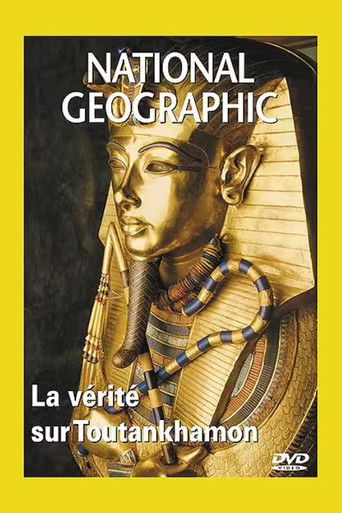
As part of a high-tech forensic probe into the demise of Egyptian Pharaoh Tutankhamun, scientists use X-rays and CT scans as they attempt to reach a conclusion about just how this famed king died. In addition, they explore the mysterious curse on explorers linked to Tut's tomb excavation.
Determined to discover her roots, a young woman travels to Indonesia and pieces together her parents' unconventional love story.
The chronicles of a day in the life of a nameless woman as she wanders around Singapore. Part documentary part video essay, 'Nightfall' is a fictionalized account of Suwichakornpong's time spent during a residency researching Thai politics in a foreign land.
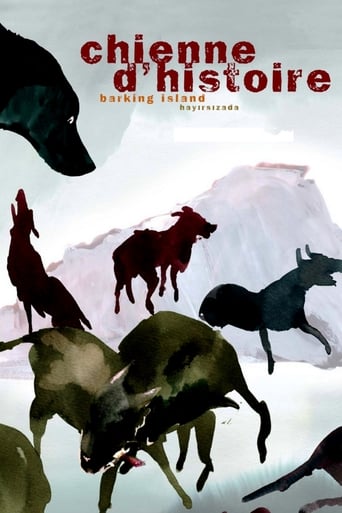
Constantinople, Ottoman Empire, 1910. There are too many stray dogs on the streets, so the government decides to deport thousands of them on a desert island, off the coast of the city.
When the Germans invade the Netherlands in 1940, Leiden student Erik Hazelhoff Roelfzema and his friends have a carefree student life. The boys, then around 23 years old, realize out of the blue that nothing is the same anymore. Friendship and love are no longer self-evident. The war turns everything upside down, all relationships are on edge. Everyone has to make their own choices…: Are you going to fight for Freedom, People, Fatherland? Do you bury your head in the sand and continue studying? Or do you deliberately choose the enemy?
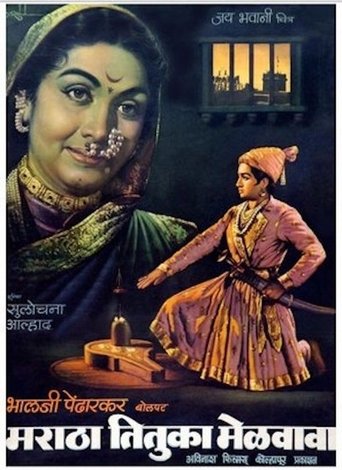
The story is based in the times of Chatrapati Shivaji Maharaj. The film depicts the life of his soliders who sacrifice their life for their Maharaj.
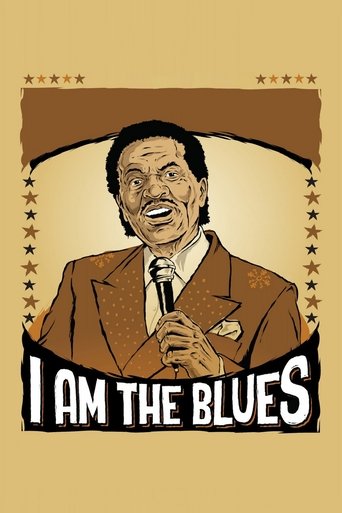
A musical journey through the swamps of the Louisiana Bayou, the juke joints of the Mississippi Delta and Moonshine soaked BBQs in the North Mississippi Hill Country. Visiting the last original blues devils, many in their 80's, still living in the deep south, working without management and touring the Chitlin' Circuit. Let Bobby Rush, Barbara Lynn, Henry Gray, Carol Fran, Lazy Lester, Bilbo Walker, RL Boyce, Jimmy 'Duck' Holmes, Lil Buck Sinegal, LC Ulmer and their friends awaken the blues in all of us.
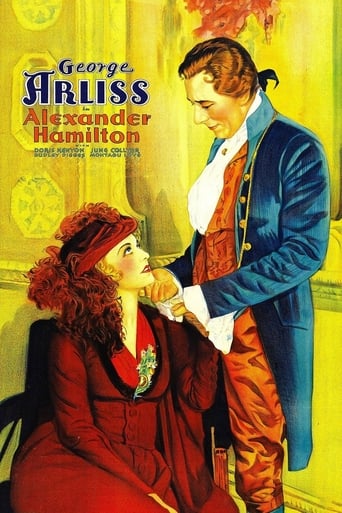
The founding father has an extramarital affair and meets with the likes of Thomas Jefferson.
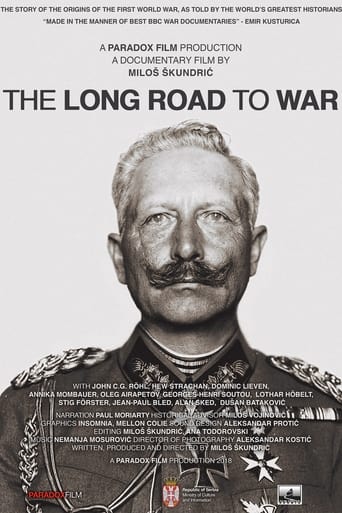
We all learned in schools that the WWI began with the assasination of Franz Ferdinand done by a young Bosnian Gavrilo Princip. In fact, the war was brewing much longer.
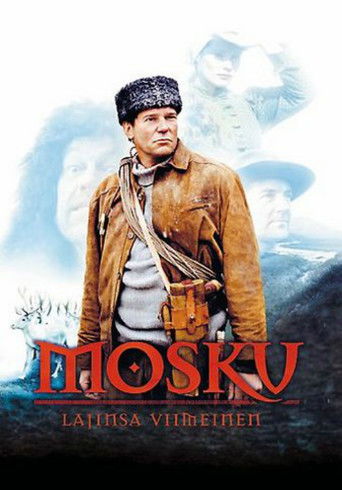
A story about the life of reindeer emperor Mosku in Eastern Lapland at the beginning of the 20th century, when social conditions and the practice of traditional livelihoods are in transition. Mosku is involved in reindeer disputes and skirmishes and is also involved in the bandit hunt on the side of Soviet Russia led by Wallenius, the commander of the Lapland border guard.
Filmed on the great Mackenzie River, this short fiction film recreates the amazing voyage of the man who gave his name to it. Following the path outlined in Mackenzie's journal, the film depicts his arduous journey by canoe all the way to the salt water of the Arctic Ocean - one of the great epics of northern exploration.
Activate your FREE Account!
You must create an account to continue watching