Exploring the art of Armenian portraitist Hakob Hovnatanyan, Parajanov revives the culture of Tbilisi of the 19th century.
In an early 19th century African village, Wend Kuuni – a young man, lives with his adopted family after his mother was killed as a witch. When Pughneere – his adopted sister – becomes ill, the villagers suspect Wend Kuuni. In order to save Pughneere's life (and his own) he must set out on a journey to find a healer. His quest brings him in contact with people around him and is a journey of self-discovery.
Various experts discus the legendary creature that's seen all around the United States.
Horse breeder Scott Engstrom has been trying for years to prove that the Appaloosa, a rare American horse breed, came from Asia and not Spain. With only 109 true Appaloosas left in the world the question is vital. After spotting a horse uncannily like an Appaloosa on a TV show filmed in Kyrgyzstan, the fiery 69-year-old heads for central Asia.
Over the decades, unanswered questions, tampered evidence, ulterior motives, and witness testimony surrounding the assassination has perpetuated conspiracy theories and alternative explanations that challenge the official narrative. Most of the figures involved--or knew who was involved--have mostly passed away, leaving avenues of investigation dead in their tracks. Over time, efforts to determine what happened have left more questions than answers. We take a look back on the moment that changed the course of world history, questioning the official record. Was the assassination a conspiracy?
In autumn of 1921, the AVUS, the ‘Automobil-Verkehrs- und Übungsstraße’ (The automobile traffic and training road), was inaugurated in the southwest of Berlin with a car race. The two long straights, each ten kilometres long, were connected by two turns: It was a high-speed track which was meant to expedite the development of the automobile in Germany. The Documentary explores the moving story of the first cars-only road in the world.
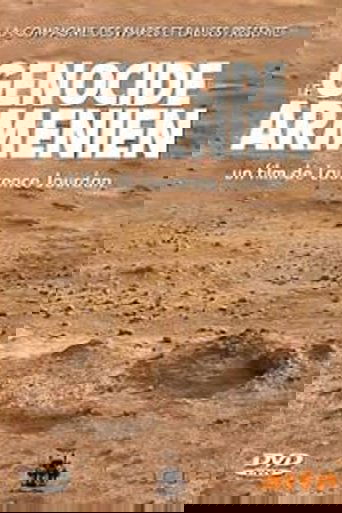
More than one million Armenians perished between 1915 and 1916 in massacres or brutal deportation programs. Turkey still denies it ever happened. Laurence Jourdan examines massacres of Armenians in the decades leading up to the mass murder, and the geopolitical situation both before and after the genocide. Contemporaneous reports and documents written by Western diplomats stationed in the Ottoman Empire describe the methods used and the deportation routes. These accounts are mixed with personal stories from the living survivors and archive footage from Ottoman authorities.
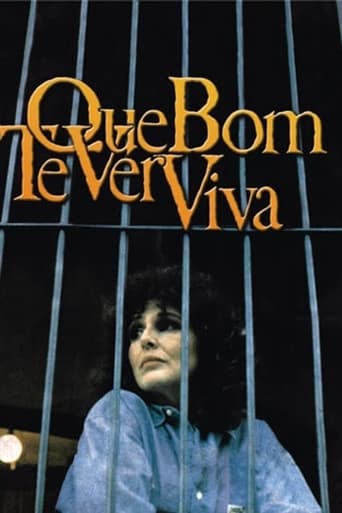
Four years after a military coup overthrew the Brazilian government in 1964, all civil rights were suspended and torture became a systematic practice. Using a mix of fiction and documentary this extraordinary film is a searing record of personal memory, political repression and the will to survive. Interviews with eight women who were political prisoners during the military dictatorship are framed by the fantasies and imaginings of an anonymous character, portrayed by actress Irene Ravache.
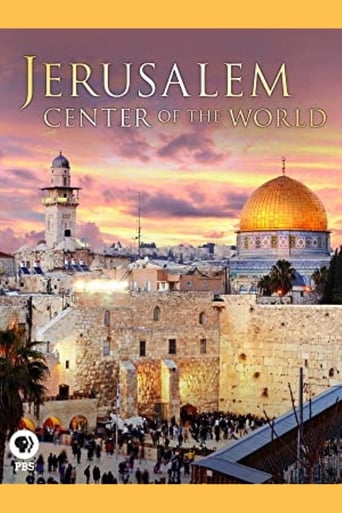
Jerusalem: Center of the World tells the epic story of the world s most incredible city, capturing the rich mosaic of the city s Christian, Jewish and Muslim communities. Covering a sweeping history of over 4,000 years, the film explores the founding of the city; the birth and convergence of the world s three major monotheistic religions; and the key events in Jerusalem s history as described in the Hebrew and Christian Bibles, the Talmud, the Hagaddah, the Koran, and the Hadith. Highlights include: Mount Moriah, the site of the First and Second Temples; the Church of the Holy Sepulcher; the Dome of the Rock; and the Western Wall. Directed by Andrew Goldberg, and hosted by Ray Suarez (The NewsHour with Jim Lehrer), the film includes interviews with locals, top scholars and clergy.
A band of 14th-century warriors with some very unique combat skills protect a princess during an attempted coup.
Since the defeat, the Nazis, who were the masters of the occupied zone, and the French State, which had been ruling the so-called free zone since Vichy, ordered the Jews to take a census. From the spring of 1941, whether they had been French for several generations or naturalized for a few years, foreigners who had taken refuge in France or stateless people who had been driven out of their country, they were put on file, arrested or threatened at any time. Some wrote to the administration, or directly to Marshal Pétain, who seemed to them to be the last resort. These requests are called Suppliques. Men, women, sometimes children, tried as best they could, by all means, to loosen the trap. They address themselves to their executioners, but they do not know it.
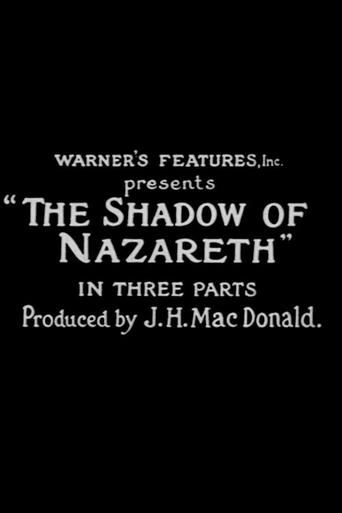
An extrabiblical tale of Barabbas and Judith Iscariot, the presumed sister of Judas, starring Constance Crawley and Arthur Maude.
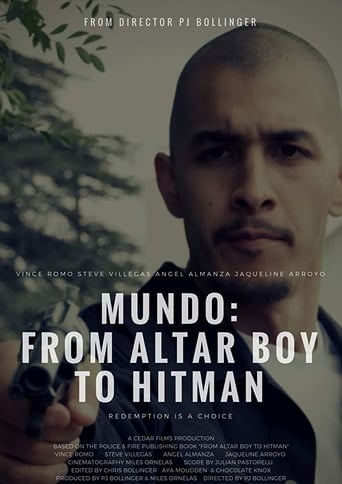
Based on the true story of ex-Mexican Mafia member Ramon "Machine Gun Mundo" Mendoza.
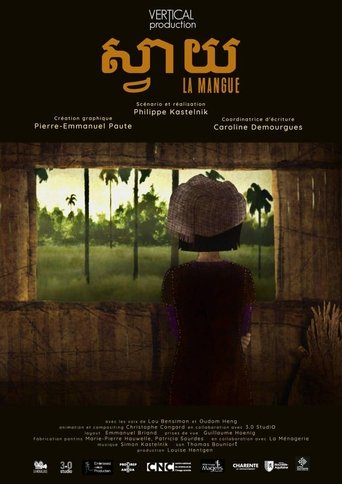
A village in Cambodia. Bopha raises her son Sokhem alone. One night, guided by a strange voice, he sets off in pursuit of a magic mango. Bopha follows him and reaches the border between the world of the living and the dead. Memories of war and oppression resurface. Bopha then reveals his heavy secret.
A journey through the times and spaces of the Hotel Jugoslavija.
A curious college student travels to Haiti to unravel the life of the president. What she finds is...unspeakable. While investigating the past of President Moïse for a memoir, Shedeline walks into the heart of a life-changing event for her, Haiti, and its president; as she gets a front-row seat to the chaos and intrigue of a bloody political firestorm. This unexpected turn of events shakes her and introduces a terrifying twist to what she thought would be an ordinary story. Now, her memory is heavy with the answer to the prodigious question hanging over an unsettled nation. Who killed the president?
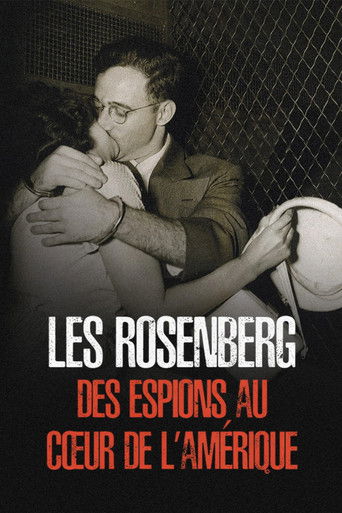
Based on testimony by Ethel’s brother, David Greenglass, the Rosenbergs are arrested by the FBI. The couple is accused of passing secret information about the atomic bomb to the USSR. Though the Rosenbergs maintain their innocence from the start, the media and public opinion seem to have condemned them from day one. The trial does nothing to change this and ends in a death sentence. On Friday June 19, 1953, Julius and Ethel Rosenberg are executed in the electric chair. Julius first, then Ethel. 30 years later, the truth finally comes out. Declassified FBI archives reveal that Ethel was not guilty of being a spy; she was merely married to one. Julius did indeed commit espionage for the Soviet Union, though primarily as a recruiter, nothing at all like the fictional James Bond. This documentary, made entirely of archival footage and animated illustrations, offers a tale of espionage as well as a complex family tragedy.
Activate your FREE Account!
You must create an account to continue watching