A man in a small boat reaches an island on the Paraná River. He heads towards a site where there used to be a house or small village. Now there is nothing. Slight signs of something old and lost: the place where he was born. His presence allows the things in the abandoned spot to materialize: huts and tables, animals and canoes. Soon others arrive on the island: his wife, father, friends, and children. This is a meeting of the Man and his loved ones. With the dead, the birds, the river's music and his pain.
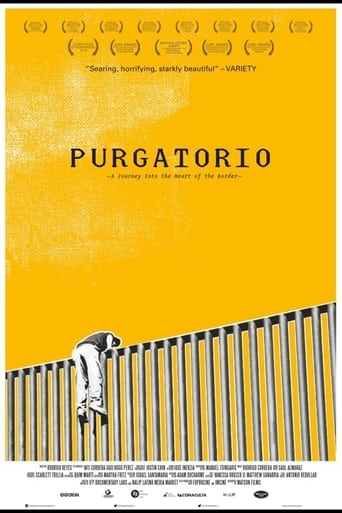
A deeply human portrait of the chaotic reality of the US - Mexico border. Full of stunnig images and crafted like a classic city-symphony where the sum of the pieces add up to a larger whole, Purgatorio, a Journey Into the Heart of the Border brings together a universe of small stories to create a compelling and visceral cinematic experience that takes audiences into the very soul of life on the border.
Twelve young filmmakers made this the guiding principle of the featured documentary film. They mingle amongst the demonstrators on Independence Square and in the Donetsk region, shooting a "Chronicle of Civil Protest", a kaleidoscope of voices, opinions and events which bears witness to the circumstances surrounding solidarity and struggle. The viewer observes the Ukrainians at first hand, experiencing how a hard-pressed society becomes more militant and slides ever deeper into the abyss of civil war.
Twenty years ago, director Christiane Burkhard’s parents died in a plane crash. Now she has made a documentary, in collaboration with her sister, about remembering and coming to terms with the facts. First, she looks for accounts in the former homes and from family and friends of the couple. She also has a large number of old Super-8 recordings. Her mother was an enthusiastic amateur filmmaker, who captured all the major family events on film. Together with her sister, Burkhard watches the footage of the smiling faces of her parents. Making this documentary becomes a self-conceived ritual that should help her bid farewell to an unreal and unaccepted past. The subdued tone suits the difficulties all those involved have talking about the event, even after twenty years.
Story of psychological pressure which former Soviet Afghan soldiers have to deal with in peaceful life. Through the story of Ruslan we are shown how public indifference often leads to drug usage.
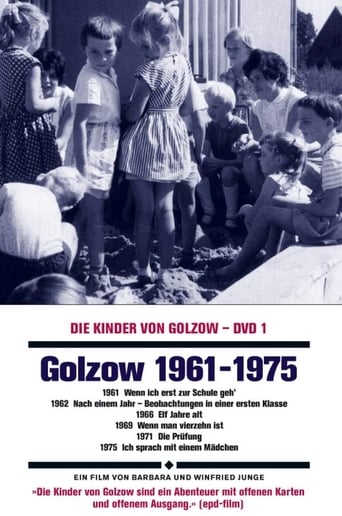
How the class community is formed. The children's environment and the experiences and discoveries that the school gives them. They are reflected in the lessons. At the end of the school year they receive their first report card and are "Young Pioneers".
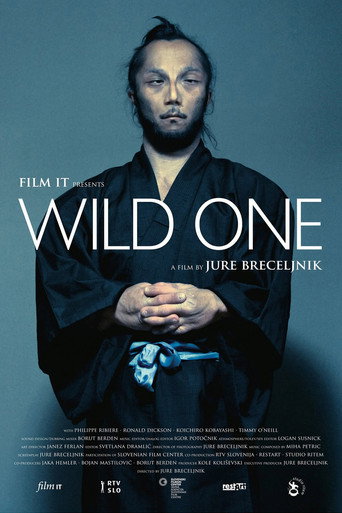
In 1977, Philippe Ribiere is born in Martinique with the Rubinstein-Taybi Syndrome. Abandoned by his parents, he is left to the hospital, where he is bound to spend the first four years of his life and undergo a series of arm and leg operations. He is alone and different. At the age of 4, he is taken to France to be adopted by a French family. In 1994, Philippe discovers climbing, which is much more of a challenge to him than it is to others. However, he also discovers how to turn his handicap into an advantage trough climbing and so make his way into the society. The story of Philippe Ribiere is a story of loneliness, searching for the answers, discovering of being different, it is a story of courage, will, fearlessness, freedom, seeking for love and overcoming the impossible.
A young student prepares his degree thesis on Pasolini and Bologna by investigating the relationship of the great intellectual with the city of his childhood and his studies. Following in the footsteps left by Pasolini in Bologna, the protagonist will tell, for the first time in the form of a documentary and with a rock narrative rhythm, the emotional, visceral but also controversial bond of Pasolini with Bologna until his final days, also characterized by severe criticisms of the “consumerist and communist” city, a symbolic terrain of the adverse social and economic metamorphosis from paleoindustrial to neo-capitalist society.
Art professionals hold on to their sense of artistic merit as billionaires dominate the market.
The story of Ágnes Keleti, a sporting legend who defeated both her rivals and the existential threats to a Jew living through the turmoil of the 20th century.
"Belgrano, a Pirate Film" sets out to explore the world of passion, tracing key moments in the club's history intertwined with the history of the Alberdi neighborhood and its fans: the origin of the "pirate" nickname, the team's famous 1968 formation, the club's bankruptcy in 2001, and its subsequent recovery by its members. Belgrano's identity is that of a neighborhood club, close to its neighbors and supporters. It possesses the spirit of greatness of clubs that rise from the ground up, and it is the effort of its people that makes it great. The film invites us into this sky-blue world, the stadium known as El Gigante de Alberdi, and idols like Artime, Sosa, Olave, and Farré. But the true protagonists are the pirate fans, who, through their experiences and stories, convey the passion they feel for the club, the passion that moves thousands of souls at every match.
The series “Mundo da Lua”, produced by TV Cultura in the 90s in Brazil, returns in another logbook by Lucas Silva e Silva. The documentary “Diário de Bordo de uma Viagem à Infância” is the meeting of those who were in front of and behind the cameras, telling the backstage of the series, and also the fans who followed on TV.
The collection of TV series based on Albert Maltsa’s stories. Action happens at the time of the Great depression.
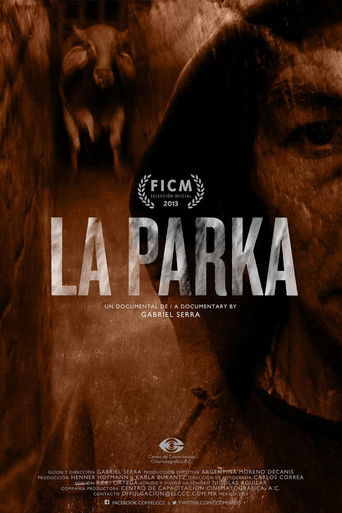
Efrain, known as the Reaper, has worked at a slaughterhouse for 25 years. We will discover his deep relationship with death and his struggle to live.
“When I was one year old I was already walking. At two, I was eating dirt. At three, my father was in prison. At four, I begged with my sister. At seven, I came to France.” Those are the words of Spartacus, a Roma child who, at 13, has already accumulated the experiences of several lifetimes. He and his sister Cassandre, 10, scrape out a living with an alcoholic, melodramatic father and a mother who begs them to free her from her husband’s tyranny. With the help of an exceptional social worker, they manage to detach themselves from their terrible parents and experience childhood as they never could before.
For 2009, MSP Films takes an original look at the sport of skiing. All of the skiers in the film—park rat or big mountain charger—share a common bond: the overwhelming desires to ski. Each person finds stoke in his own unique way, whether it be a double cork 1260, a deep turn on a storm day or ripping a giant AK line. Skiing is an incredibly diverse sport that offers it all. With the progressive skiing and award-winning cinematography that has made MSP famous, MSP Films takes you along for the ride deep into the experience as we share the love for the greatest sport in the world.
Martin Short looks back on a life fueled by joy in this documentary with classic clips, fresh interviews and star-studded, never-before-seen home movies.
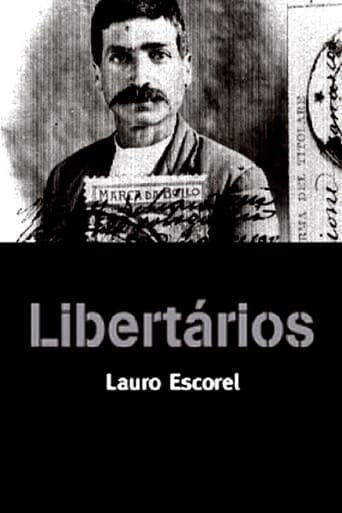
A documentary about the history of the anarchist-led workers' movement in Brazil. It shows the transformation of immigrants into the first urban workers and chronicles the most important strikes, the successes and defeats of the movement, from the end of the 19th century until 1922.
Activate Your Account!
You must create an account to continue watching