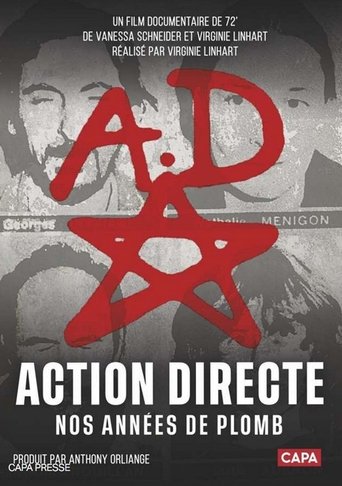
Between 1979 and 1987, a far-left group wreaked havoc across France. Robberies, bombings, assassinations. They struck hard and disappeared in a cloud of explosives, leaflets scattered in the wind, and relentless ideological demands. Their name? Action Directe. More than 80 attacks, 26 wounded, and 12 dead in less than ten years. Stunned French citizens discovered posters plastered everywhere showing portraits of these young women and men who looked like everyone else and whom nothing seemed to be able to stop. A long and intense manhunt began, culminating in the arrest of the group's leadership.
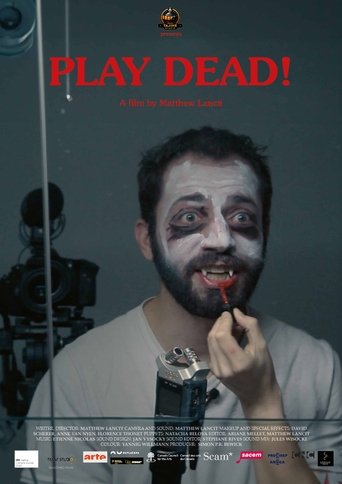
If there is one person Matthew Lancit can’t get out of his mind, it is his uncle Harvey. Dark rings around his eyes, pale, blind, his legs amputated. Like Harvey, the filmmaker also suffers from diabetes. He has the disease under control, but one question is always nagging at him: How much longer? His long-term (self-)observation reliably revolves around fears of infirmity and mutilation. He translates the feared body horror into film, stages himself as a zombie, vampire, a desolate figure. Lancit playfully anticipates his potential decline, serving up a whole arsenal of effects which – as video recordings prove – go back to his youth. It is not for nothing that the “dead” in the title is also reminiscent of “dad.” Because “Play Dead!” also negotiates his own role as a father.
The film tells about complete dedication to music, about faith in his own path, which was often different from what everyone recommended. About how great social revolutions and life's upheavals can be overcome with elegance.
From its simple beginnings in 1939 in a sleepy beach town in the south of France, the prestigious Cannes Film Festival has become the must-attend red carpet event of the year. Filmmaker Richard Schickel's fascinating documentary captures the glitz and glamour of the festival's incredible 60-year run with archival footage and unforgettable moments. Hollywood's biggest names including Clint Eastwood, Martin Scorsese, Sharon Stone and Harvey Weinstein talk about the politics, madness, and thrills of competing for one of the industry's highest honors - the coveted Palme d'Or - and what it's like to be at the most fabulous festival by the sea.
The city of Mariupolis is by the Azov sea. It is also on the river Kalmius. Most of the city’s residents, half a million according to the last census, are working for the steel factory and do fishing, for leisure or food, in between shifts. The orthodox church towers above the city and its newly build bronze domes are sitting next to it, waiting to be donned. A tent near by is sheltering a crying icon, which receives a steady flow of visitors.
Documentary footage showing the alligator in several stages of growth, from babyhood to a ripe old age; a film taken at an alligator farm in California. In early 1913 as Thanhouser staff and crews were setting up a facility in Los Angeles, cameraman Carl Louis Gregory was taking documentary footage, from which four “split reel” short subjects were created: A MILLION BIRDS, filmed at California pigeon and ostrich farms; LOS ANGELES THE BEAUTIFUL (two different version with the same title), showing scenic attractions; and SEVEN AGES OF AN ALLIGATOR, filmed at an alligator farm. Released together, HIS UNCLE'S WIVES and SEVEN AGES OF AN ALLIGATOR filled up one 1,000-foot “split reel.” (Fandor)
Louis has gained access to Coalinga Mental Hospital in California, which houses more than 500 of the most disturbed criminals in America, convicted paedophiles. Most have already served lengthy prison sentences, but have been deemed unsafe for release. Instead, they have been sent here for an indefinite time. Spending time with those undergoing treatment, Louis wrestles with whether he can ever allow himself to believe men whose whole history is defined by deception and deceit.
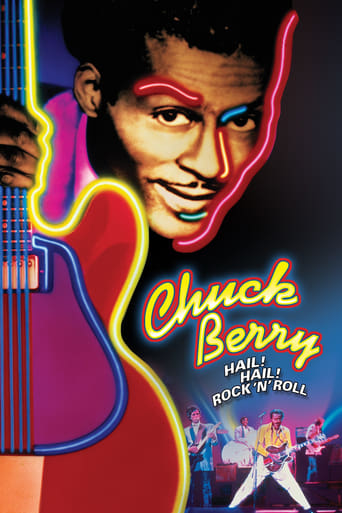
St. Louis, 1986. For Chuck Berry's 60th, Keith Richards assembles a pickup band of Robert Cray, Joey Spampinato, Eric Clapton, himself and long-time Berry pianist, Johnnie Johnson. Joined on stage by Etta James, Linda Ronstadt and Julian Lennon, Berry performs his classic rock songs. His abilities as a composer, lyricist, singer, musician and entertainer are on display and, in behind-the-scenes interviews, are discussed by Bo Diddley, Little Richard, Jerry Lee Lewis, Bruce Springstein, the Everly Brothers, Roy Orbison and others. There's even a rarity for Berry—a rehearsal. Archival footage from the early 1950s and a duet with John Lennon round out this portrait of a master.
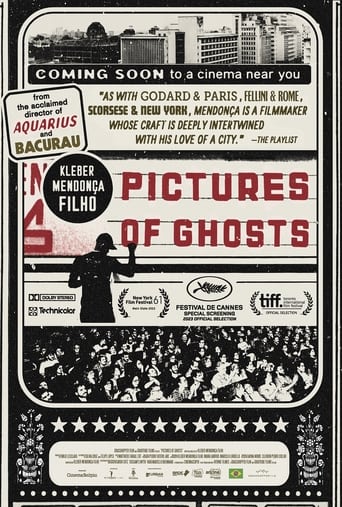
Downtown Recife’s classic movie palaces from the 20th century are mostly gone. That city area is now an archaeological site of sorts that reveals aspects of life in society which have been lost. And that’s just part of the story.
BBC documentary. Witness John Williams composing the legendary score for The Empire Strikes Back and conducting the London Symphony Orchestra.
Raphael is one of the most prolific, followed & adored spanish artists in the world. This documentary takes us across his childhood, early years, his home & family, glory, transplant and reinvention as singer & actor in 60 yrs of legacy.
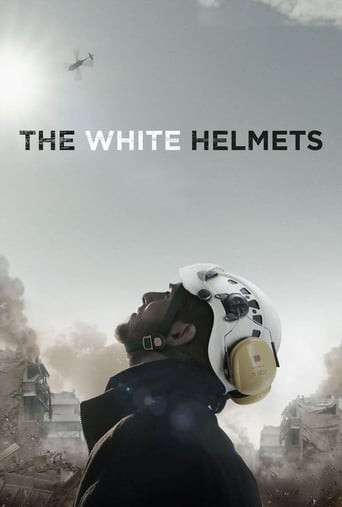
As daily airstrikes pound civilian targets in Syria, a group of indomitable first responders risk their lives to rescue victims from the rubble.
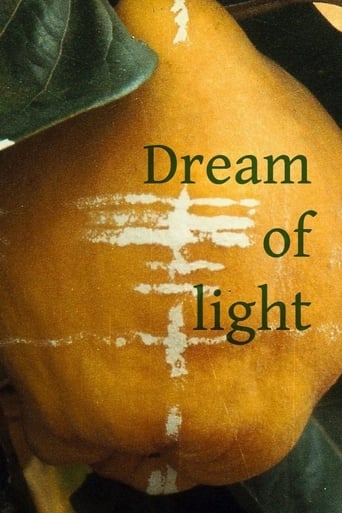
Filmmaker Victor Erice follows Spanish artist Antonio Lopez in his painstaking attempt to paint the image of a tree.
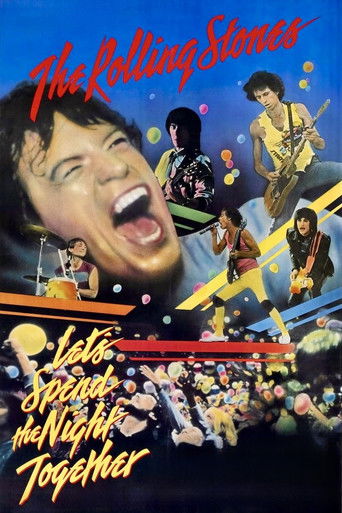
The Rolling Stones' record-breaking 1981 North American arena tour documented by director Hal Ashby. Featuring the biggest Rolling Stones songs from the first 20 years - in the words of Mick Jagger, "a feel of what it's like to be there", as 20 cameras take you onstage with the band in this groundbreaking, dynamic tour.
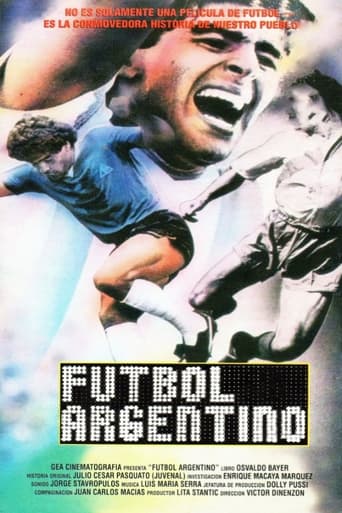
A history of Argentine football, from its origins in the nineteenth century to the victory of the Argentine national team in the 1986 World Cup. The film uses valuable archival footage.
Cypher is a fictional pseudo-music documentary about the artist Tierra Whack and the conspiracy theory that secret societies run the music world.
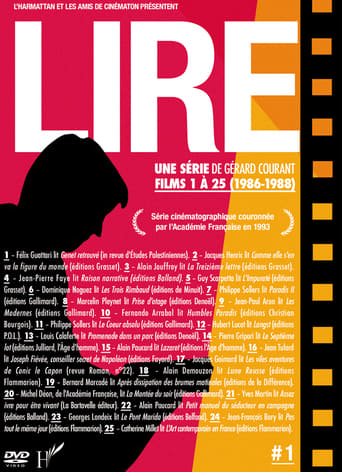
Lire is a cinematographic series of filmed portraits that shows, in a single large fixed and sound sequence shot of 3 minutes 20 seconds, a writer reading the beginning of his last published book.
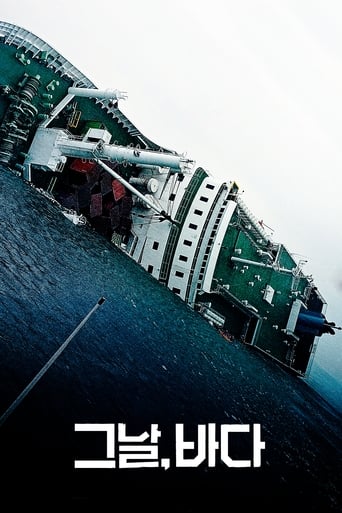
A documentary that scientifically analyses and tracks down the route of the Sewol Ferry that sank on the 16th of April in 2014 using its AIS to discover the cause of the unconfirmed sinking.
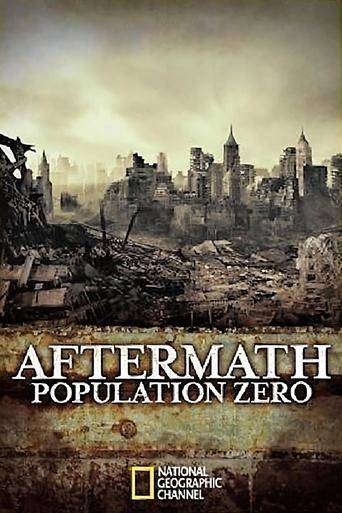
Aftermath: Population Zero investigates what would happen if every single person on Earth simply disappeared. Explore the interactive world without us.
Activate your FREE Account!
You must create an account to continue watching