On May 24, 2000, the historic Ryman Auditorium was booked to offer Nashvillians an evening of sublime beauty. Label executives and soundtrack producers so loved the music of O Brother, Where Art Thou? that they brought it to life as a benefit concert for the Country Music Hall of Fame. Filmmakers Joel and Ethan Coen loved it so much that they hired famed documentary filmmaker D.A. Pennebaker to record the show for posterity. The concert that unfolded that night was one of the greatest musical moments in the annals of Music City. Performers: John Hartford, Alison Krauss, Emmylou Harris, Gillian Welch, Chris Thomas King, The Cox Family, Fairfield Four, Union Station, Colin Linden, The Nashville Bluegrass Band, The Peasall Sisters, Ralph Stanley, David Rawlings, The Whites.
Stéphane Mallarmé is one of the many educational documentaries that Éric Rohmer did for the television during the 1960’s. At the beginning of the film, Rohmer states that he has placed in Mallarmé’s mouth words taken from an interview with the writer by Jules Heuret published in 1891.
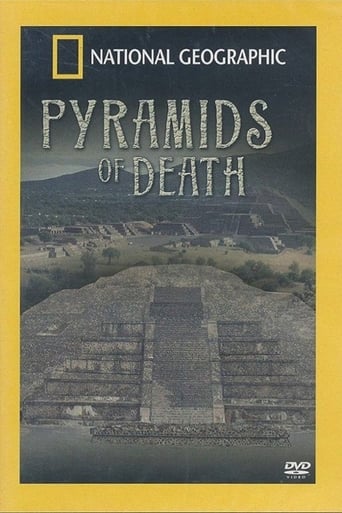
They are some of the biggest pyramids on the planet, millions of tons of stone and earth towering above the landscape in a display of massive wealth and power. But it wasn't the pharaohs that built these pyramids. This is the majestic ancient city of Teotihuacán, Mexico, home to one of the most powerful civilizations of its time. But why, around 750 AD, did the advanced civilization that created Teotihuacán suddenly vanish? The identities of its founders, the language they spoke and even the original name of the city are all unknown. DNA analysis of bodies from Teotihuacán shows they weren't Mayan, Incan or Aztec, but an entirely different civilization. It was assumed to have been a peaceful, utopian society, but the latest discoveries are revealing a much darker scenario. In the depths of Teotihuacán's pyramids, experts have uncovered vault after vault filled with curious human remains.
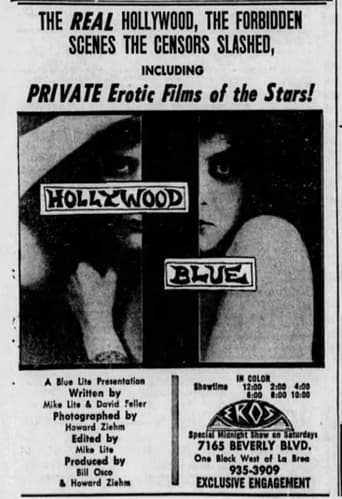
A collection of vintage erotica from Hollywood movies is intercut with street interviews and newsreel footage.
For decades, an elite handful of climbers have competed for the coveted speed record on the 3,000-foot Nose of El Capitan, risking big falls to shave mere seconds off the fastest time. When a record held by superstar Alex Honnold is broken by little-known climbers Brad Gobright and Jim Reynolds, Honnold drafts fellow climbing legend Tommy Caldwell to establish a new mark that will stand the test of time. Honnold pushes for perfection while Caldwell, a family man, wrestles with the risk amid a series of accidents on the wall that lay bare the consequences of any mistake.
With over two hours of footage covering the band's 10 year history, "All Access" provides an insightful and entertaining glimpse into their rise to stardom. It includes never-before-seen historical footage from the band's personal archives, as well as backstage footage, live performances, and unforgettable music videos.
The Madness of Max is a feature-length documentary on the making of arguably the most influential movie of the past thirty years. With over forty cast-and-crew interviews, hundreds of behind-the-scenes photographs and never-before-seen film footage of the shoot, this is without a doubt the last word on Mad Max (1979).Interviews include: George Miller, Byron Kennedy, Mel Gibson, Hugh Keays-Byrne, Steve Bisley, Roger Ward, Joanne Samuel, David Eggby, Jon Dowding and many more. From the Producers to the Bike Designers to the Traffic Stoppers, this is the story of how Mad Max was made.
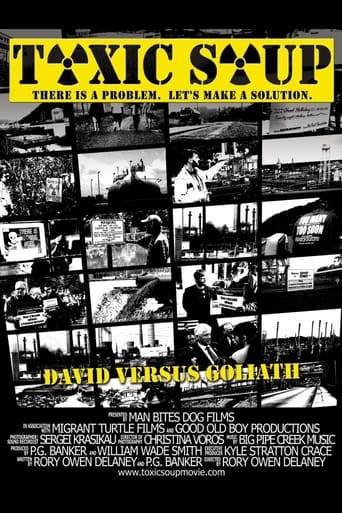
Something is bad wrong as everyday Americans fight to protect their air, water and blood from pollution.
Under the sun, the heavenly beauty of grasslands will soon be covered by the raging dust of mines. Facing the ashes and noises caused by heavy mining , the herdsmen have no choice but to leave as the meadow areas dwindle. In the moonlight, iron mines are brightly lit throughout the night. Workers who operate the drilling machines must stay awake. The fight is tortuous, against the machine and against themselves. Meanwhile, coal miners are busy filling trucks with coals. Wearing a coal-dust mask, they become ghostlike creatures. An endless line of trucks will transport all the coals and iron ores to the iron works. There traps another crowd of souls, being baked in hell. In the hospital, time hangs heavy on miners' hands. After decades of breathing coal dust, death is just around the corner. They are living the reality of purgatory, but there will be no paradise.
Former classmates Alexandra and Alexis may share the same name, but they couldn’t be more different. Alexandra is beautiful, intelligent, rich, and completely insufferable. Self-centered and patronizing, she’s an expert in quick put-downs, nasty name-calling, and brokering gossip into profit. Alexis is a simple-minded, pure-hearted, and hard-working gal who is constantly bullied by her future sister-in-law’s family with whom she stays. Crossing paths again by chance, the two girls don’t want anything to do with each other – until a freak accident causes them to switch bodies!
Francesco Totti retraces his entire life while watching it on the silver screen together with the audience. Images and emotions flow among key moments of his career, scenes from his personal life and memories he has never shared before.
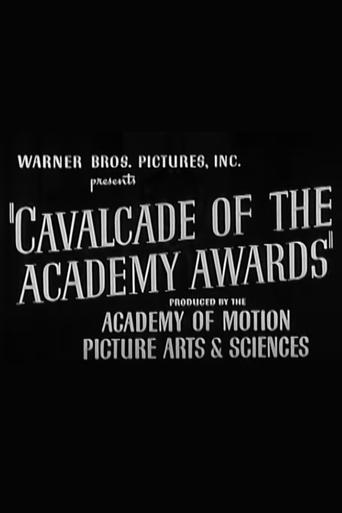
This 1940 presentation features highlights of earlier (1928 onward) Oscar ceremonies including Shirley Temple and Walt Disney, plus acceptance speeches for films released in 1939 with recipients and presenters including Vivien Leigh, Judy Garland, Hattie McDaniel, Fay Bainter, Mickey Rooney, Thomas Mitchell, Sinclair Lewis, and more, with host Bob Hope.
1969. Man lands on the moon. Half a million strong at Woodstock....and Led Zeppelin perform in the gym of the Wheaton Youth Center in front of 50 confused teenagers. Or did they? Filmmaker Jeff Krulik chronicles an enduring Maryland legend, of the very night this concert was alleged to have taken place, January 20, 1969, during the first Presidential Inauguration of Richard Nixon. Led Zeppelin Played Here presents a mid-Atlantic version of what was happening nationwide as the rock concert industry took shape. Featuring interviews with rock writers, musicians, and fans, and several who claim they were witnessing history that night.
Documentary footage showing the alligator in several stages of growth, from babyhood to a ripe old age; a film taken at an alligator farm in California. In early 1913 as Thanhouser staff and crews were setting up a facility in Los Angeles, cameraman Carl Louis Gregory was taking documentary footage, from which four “split reel” short subjects were created: A MILLION BIRDS, filmed at California pigeon and ostrich farms; LOS ANGELES THE BEAUTIFUL (two different version with the same title), showing scenic attractions; and SEVEN AGES OF AN ALLIGATOR, filmed at an alligator farm. Released together, HIS UNCLE'S WIVES and SEVEN AGES OF AN ALLIGATOR filled up one 1,000-foot “split reel.” (Fandor)
Featuring never-before-seen home movies and photographs, musician Bill Wyman opens up his vast personal archives to share stories and memories of his three-decade stint as bassist of the Rolling Stones.
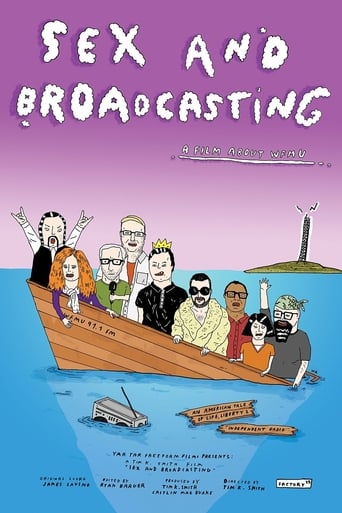
SEX AND BROADCASTING is a feature length documentary about New Jersey's WFMU, the world's strangest and most unique radio station, and one man's attempt to keep it alive in the face of recession, the persistent threat of commercial media, and the challenges that come with keeping a rebellious group of outsiders together.
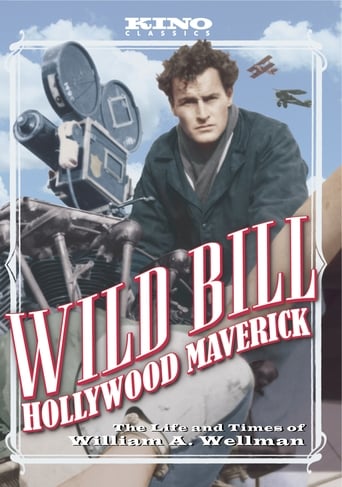
Documentary exploring the career of noted film directer William A. Wellman.
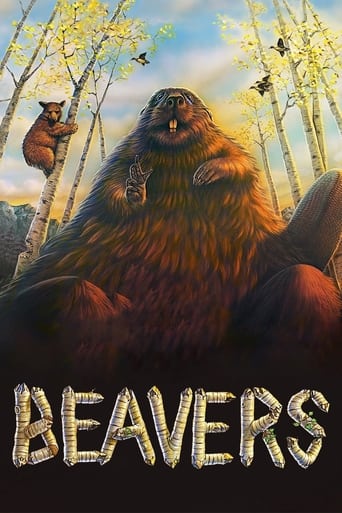
A story about several beaver families in their wild surroundings. The interesting process of building a dam can be watched as well as the dangers arising from hungry bears and other influences on the new-built home.
Deglamorizing the gangster myth with Martin Scorsese, Nicholas Pileggi, and the real Henry Hill. Produced for the “Goodfellas” DVD.
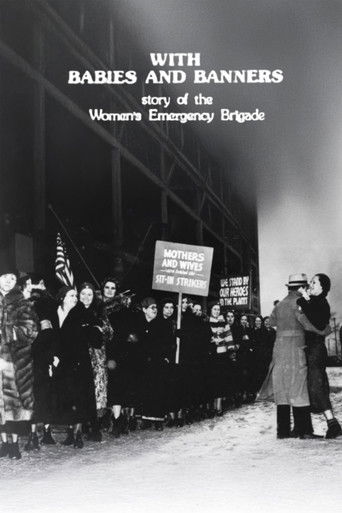
Combining rare archival footage with interviews recorded forty years after the event, this documentary tells the story of the Women’s Emergency Brigade during the 1936–37 General Motors sit-down strike in Flint, Michigan. While national attention focused on the men occupying the factories, women—auto workers and the families of strikers—organized food supplies, picket lines, and public demonstrations that helped sustain the historic labor victory. The film highlights their long-overlooked role in the American labor movement.
Activate your FREE Account!
You must create an account to continue watching