The casts of the first four "Real World" seasons reunite to relive old times, settle feuds, and answer questions from a studio audience.
Documentary with interviews and clips of Fellini's movies.
When 90% of Iceland’s women walked off the job and out of their homes one morning in 1975, they brought their country to its knees and catapulted Iceland to the forefront of today's global fight for gender equality. Unexpectedly funny, laced with evocative animation and powerfully told by the women who lived it – this is the true story of 12 hours that launched a revolution.
Spanish actress Charo López finds it hard to talk about herself; but she only needs to start reminiscing to discover that her life has been truly exceptional. The story of a legendary actress told by herself.
In 1961, a spectacular criminal case shocks Japan: at what became known as the “Nabari Poison Wine” incident, five people lose their lives at a village social gathering. One of the attendants, Masaru OKUNISHI, is made out as the main suspect. Rumor has it that he wanted to kill his wife and his lover in order to end his extra-marital affair. After being questioned by the police for days, he signs a confession, only to withdraw it soon afterwards. Nonetheless, he is sentenced to death and all pleas for a retrial are denied.
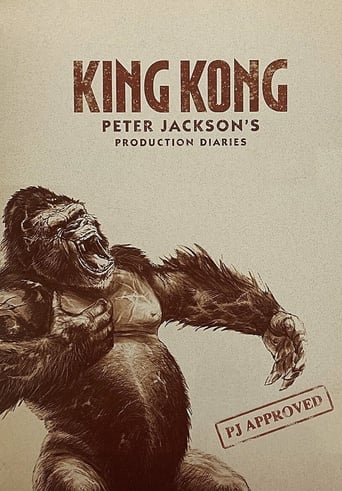
Academy Award - winning filmmaker Peter Jackson invites you behind the scenes of his latest movie to witness the birth of King Kong.
Documentary on Marilyn Monroe's final days and the production of "Something Got to Give."
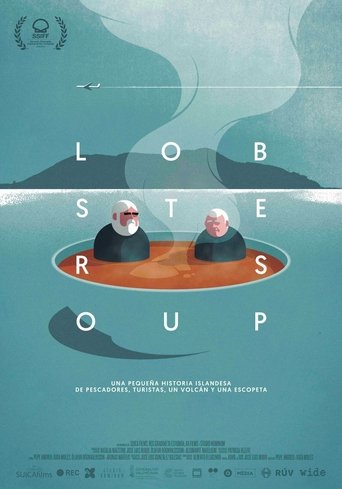
Every morning Krilli prepares the myriad ingredients required to make the lobster soup at the Bryggjan café, a tiny eatery in Iceland’s dullest town. His wife helps him in the kitchen and yearns to return to Rejkyavik. In the café, Krilli’s brother Alli sits with the old fishermen, the last boxer in Iceland and the translator of Don Quixote into Icelandic. Every day they find a new answer to the world’s problems. Once a month the neighbours meet at the Bryggjan café to remember those who died in Grindavik and pronounce their names. Four crazy musicians play jazz. A few lost tourists turn up at the fishing harbour and are captivated by the atmosphere in the café. Real people, they think. A real place. On the other side of the mountain is the Blue Lagoon, the island’s great attraction. People from all over the world come in fascination to see the volcanoes, the ice and the genesis of the Earth.
A behind-the-scenes look at the making of Shin'ya Tsukamoto's film "Gemini".
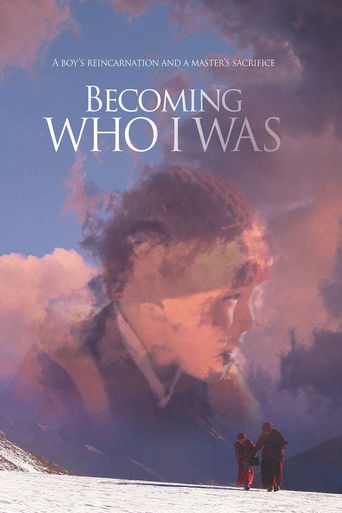
Angdu is no ordinary boy. Indeed, in a past life he was a venerated Buddhist master. His village already treats him like a saint as a result. The village doctor, who has taken the boy under his wing, prepares him to be able to pass on his wisdom. Alas, Tibet, Angdu’s former homeland and the centre of his faith, lies far away from his current home in the highlands of Northern India. On top of that, the conflict between China and Tibet makes the prospect of a trip there even more daunting. Undeterred by these harsh facts, the duo set off for their destination on foot, accompanied by questions of friendship and the nature of life. With its narrative approach steeped in a serene sense of concentration, this documentary film, composed over a period of eight years, stands as a fundamental experience in its own right.
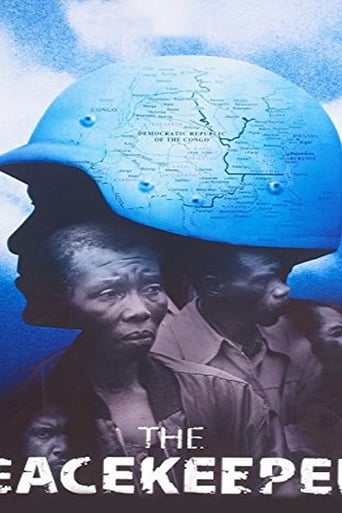
With unprecedented access to the UN Department of Peacekeeping, The Peacekeepers provides an intimate and dramatic portrait of the struggle to save "a failed state" The film follows the determined and often desperate maneuvers to avert another Rwandan disaster, this time in the Democratic Republic of Congo (the DRC). Focusing on the UN mission, the film cuts back and forth between the UN headquarters in New York and events on the ground in the DRC. We are with the peacekeepers in the "Crisis Room" as they balance the risk of loss of life on the ground with the enormous sums of money required from uncertain donor countries. We are with UN troops as the northeast Congo erupts and the future of the DRC, if not all of central Africa, hangs in the balance. In the background, but often impinging on peacekeeping decisions, are the painful memory of Rwanda, the worsening crisis in Iraq, global terrorism, and American hegemony in world affairs.
A raw, honest look at the relationship between filmmakers, actors, and the characters they create together. Sometimes comical, sometimes infuriating, always fascinating.
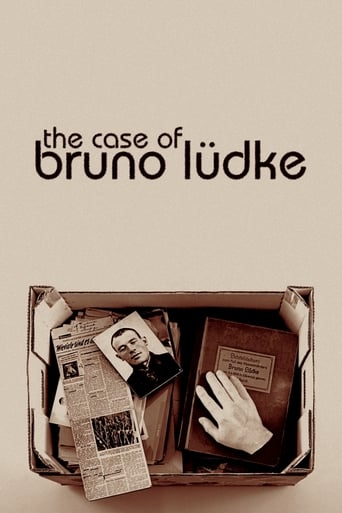
The incredible story of Bruno Lüdke (1908-44), the alleged worst mass murderer in German criminal history; or actually, a story of forged files and fake news that takes place during the darkest years of the Third Reich, when the principles of criminal justice, subjected to the yoke of a totalitarian system that is beginning to collapse, mean absolutely nothing.
Cast and crew, including Mara, discuss her casting.
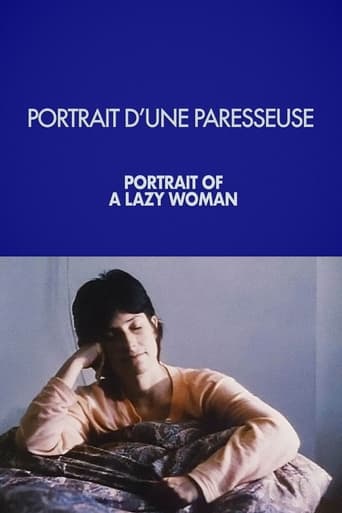
Belgian director Chantal Akerman struggles to overcome her laziness in the name of making a film about the subject.
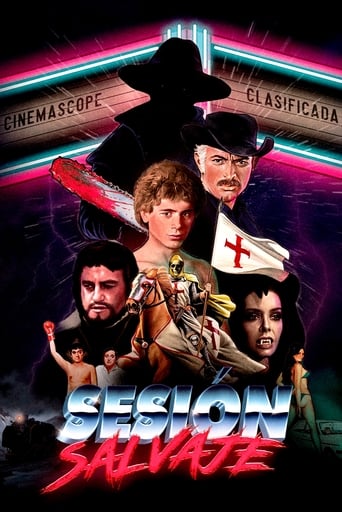
A walk through the golden age of Spanish exploitation cinema, from the sixties to the eighties; a low-budget cinema and great popular acceptance that exploited cinematographic fashions: westerns, horror movies, erotic comedies and thrillers about petty criminals.
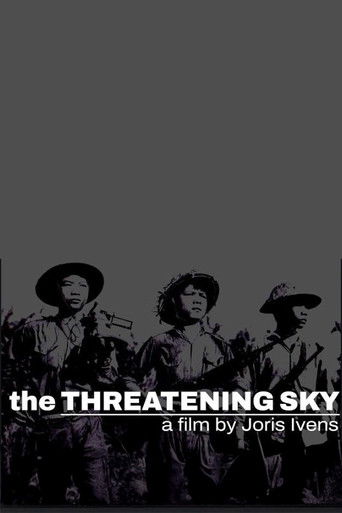
This documentary presents the Vietnam War as seen from within Vietnam, focusing on civilian life, industrial and agricultural labor, and organized resistance under sustained aerial bombardment. Introduced by Bertrand Russell, the film situates the conflict within a broader history of anti-occupation struggles, drawing parallels to World War II resistance movements. Footage includes interviews with Vietnamese leaders, scenes of air defense, and mass political mobilization.
Mueda was a massacre. The name is that of the village in Northern Mozambique where in 1960 it took place. The Portuguese colonial regime did the killing. In independent Mozambique, those inhabitants of Mueda who survived regularly re-enact the massacre in situ. They themselves play the roles of victims, assassins, and spectators. Ruy Guerra, now a Brazilian but born in Lourenço Marques (now Maputo, the capital of Mozambique), filmed this extraordinary creation of liberated popular culture, intercutting it with first-hand interviews on the massacre. The mix is compelling, and the grave yet joyous spectacle unique.
This thirty-minute documentary follows the Wachowski sisters and the film's crew through production on the film's famed highway chase sequence. We get interviews with the visual effects supervisors, the stunt coordinators and even are taken through aspects of pre-production and planning for the scene. Then the documentary moves into production, the scariest aspect of which is certainly Carrie Anne-Moss trying to learn to ride a motorcycle good enough to do so safely without helmet for the scene. We also watch as the stretch of freeway used in the film is being built.
A softcore look at the hardcore world.
Activate your FREE Account!
You must create an account to continue watching