Star Trek: Voyager – Inside the New Adventure was a special documentary, running for 50 minutes, produced by BECK-OLA Productions for broadcasting by UPN on 9 January 1995, the week prior to the premiere of Star Trek: Voyager. Hosted by Robert Picardo, the program went behind the scenes at the making of the pilot episode, "Caretaker", as well as the creation of the series itself. Segments included interviews with the cast and crew, as well as a "day-in-the-life" feature following Ethan Phillips during the filming of the Ocampa desert scenes.
Documentary about the making of Lamberto Bava's 1987 Giallo "Delirium".
The renowned French Magnum photographer - again and always - uses his sublime camera and whole being to reveal a parallel world of prostitution and drugs, punctuated by exhausted bodies and lost souls in Cambodia, Russia and India. Disturbing surely, but also transcendental.
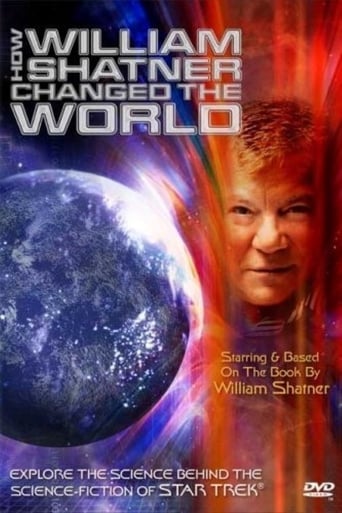
William Shatner presents a light-hearted look at how the "Star Trek" TV series have influenced and inspired today's technologies, including: cell phones, medical imaging, computers and software, SETI, MP3 players and iPods, virtual reality, and spaceship propulsion.
When NFL superstar Barry Sanders vanished at the height of his career, he left the NFL world in shock. He was still in his prime, chasing the all-time NFL rushing record when he boarded a flight to England and never stepped foot on the field again. Now, 24 years later, Barry retraces his steps through the streets of London to finally confront the mystery.
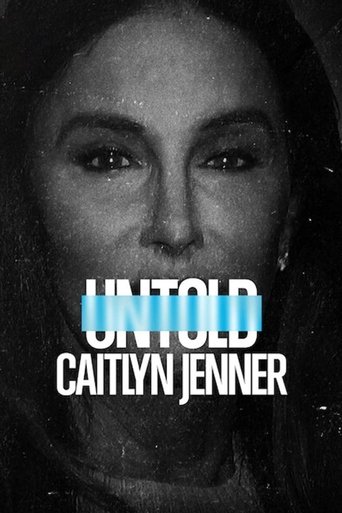
Caitlyn Jenner's unlikely path to Olympic glory was inspirational. But her more challenging road to embracing her true self proved even more meaningful.
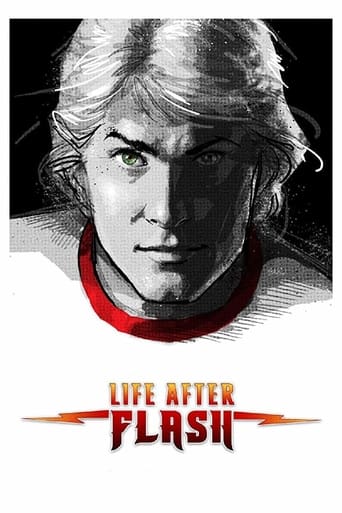
A look at the roller coaster life of Sam J. Jones since his role as Flash Gordon, his struggles and successes, and the aftermath of when he went up against one of the most powerful producers in Hollywood.
COMPANIONS deals with the love between people and dogs. It’s made up of scenes of intimacy—caresses, habits, games, cares, stories of coming and loss, of protection, and uprooting. The stories intertwine and make up a map of love and its enigmas.
A day in a life tour diary with David Cronenberg, as he brings his film "A History of Violence" to the Cannes Film Festival (2005) for its first public screening.
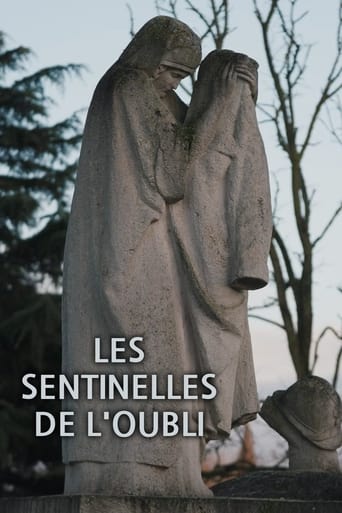
The war memorials of 1914-1918 have become so familiar that we no longer see them. They've become an invisible museum, blending into the landscape of France. Then, one fine day, a sculpture catches our eye. Another History appears, perhaps the most gigantic artistic project since the cathedrals...
Late in the 1980s, two documentary film makers found six German men, all in their 60s and 70s, who had been soldiers in the German invasion of the USSR in 1942. Each carried an 8mm camera into battle and they still had their film. "Mein Kreig" alternates between interviews with these older men, now apologetic, philosophical, or defiant about their participation, and the footage they shot. It's chronological: basic training, the train trip East, roof-top vistas of war-torn Warsaw, peasants in Belarus, the downing with carbine volleys of a Russian plane, winter, a holiday at the Black Sea, mud, impassable roads, death, destruction and retreat. "Home, that was the front," one says.
"Since childhood, I've had the good fortune of going through two mini depressions of happiness, and I'm serenely awaiting the third. This alone is enough for me to believe in a certain beauty to life and to have the pleasure of attempting to film it in all its forms (trees, animals, gods, humans...) and to do so when love is intense. The filmmaker has lost a part of innocence. It's so difficult to spot it around you, so difficult not to lose it during a film shoot. I'm grateful to those who you look at on screen. To stand up to time, I've a tactic, which is to dig into my stock of emotions and old images. Not so as to find what will never come back, but to discover the signs of spring in winter. This allows me to begin another day with an easy, light step." (Alain Cavalier)
Adam Sandler invites Dave backstage on his comedy tour, then they sit down at NYU to chat about stand-up, famous roles and his beloved Stratocaster.
In Tel Aviv, activists gather weekly to demonstrate their opposition to the war in Gaza with a silent vigil for the children killed in Israeli attacks.
For one extraordinary week in February 1972, the Revolution WAS televised. DAYTIME REVOLUTION takes us back in time to the week that John Lennon and Yoko Ono descended upon a Philadelphia broadcasting studio to co-host the iconic Mike Douglas Show, at that time the most popular show on daytime television, with a national audience of 40 million viewers each week. What followed was five unforgettable episodes of television, with Lennon and Ono at the helm and Douglas gamely keeping the show on track.
Thanks to his perseverance, the Italian Simone Moro has written pages in the history of mountaineering, especially winter mountaineering on peaks over 8,000 meters high. I-VIEW tells of his adventure as a helicopter pilot and his dream of bringing helicopter rescue to the Himalayas.
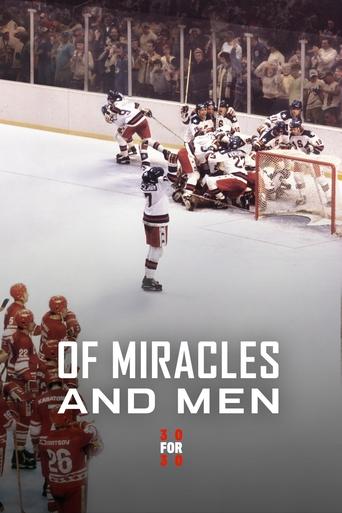
On a Friday evening in Lake Placid, New York, a plucky band of American collegians stunned the vaunted Soviet national team, 4-3 in the medal round of the 1980 Winter Olympic hockey competition. Americans couldn't help but believe in miracles that night, and when the members of Team USA won the gold medal two days later, they became a team for the ages. This film explores the "Miracle on Ice" through the Soviet lens. While focused on the game itself, the journey of the stunned Soviet team didn't begin -- or end -- in Lake Placid.
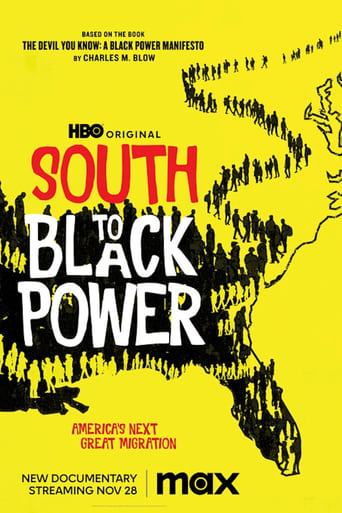
In his provocative 2021 book, The Devil You Know: A Black Power Manifesto, New York Times opinion columnist Charles M. Blow calls for a “reverse Great Migration” of African Americans from the North back to the South to upend today’s political power structures while reclaiming the land and culture they left behind. South to Black Power does more than illustrate Blow’s enlightening ideas; we journey through Blow’s personal story, from his childhood in Louisiana to his role as father to young adult children in New York City, showing us the hard-won truths behind his vision for the future.
Takeda is a film about the universality of the human being seen thru the eyes of a Japanese painter that has adopted the Mexican culture.
An education documentary that takes you through the process of birthing to puberty.
Activate Your Account!
You must create an account to continue watching