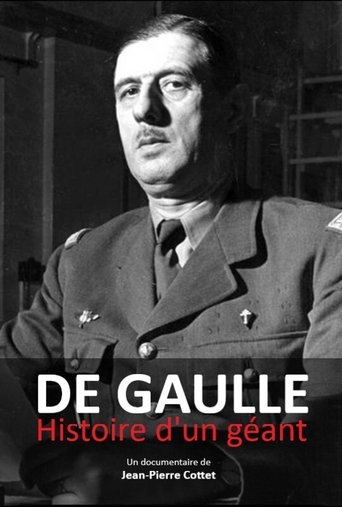
50 years after the death of General De Gaulle, this film retraces his life, from his birth in 1890 to his burial at Colombey-Les-Deux-Eglises in 1970.
Director Claude Lanzmann spent 11 years on this sprawling documentary about the Holocaust, conducting his own interviews and refusing to use a single frame of archival footage. Dividing Holocaust witnesses into three categories – survivors, bystanders, and perpetrators – Lanzmann presents testimonies from survivors of the Chelmno concentration camp, an Auschwitz escapee, and witnesses of the Warsaw Ghetto Uprising, as well as a chilling report of gas chambers from an SS officer at Treblinka.
Over a period of two years, Mark Cowen and his crew travelled to thirty U.S. states and ten European cities, to interview the veterans of Easy Company. The stories told by the veterans themselves, create a history of the Second World War from the point of view of this heroic company of men, made famous in the mini-series Band of Brothers.
An account of the life and work of legendary Japanese actor Toshirō Mifune (1920-97), the most prominent actor of the Golden Age of Japanese cinema.
The history of cinematic sound, told by legendary sound designers and visionary filmmakers.
A documentary highlighting the Soviet Union's legendary and enigmatic hockey training culture and world-dominating team through the eyes of the team's Captain Slava Fetisov, following his shift from hockey star and celebrated national hero to political enemy.
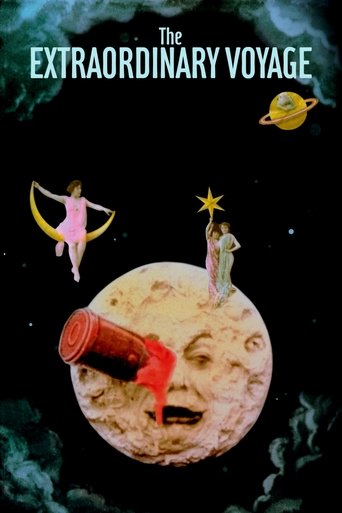
An account of the extraordinary life of film pioneer Georges Méliès (1861-1938) and the amazing story of the copy in color of his masterpiece A Trip to the Moon (1902), unexpectedly found in Spain and restored thanks to the heroic efforts of a group of true cinema lovers.
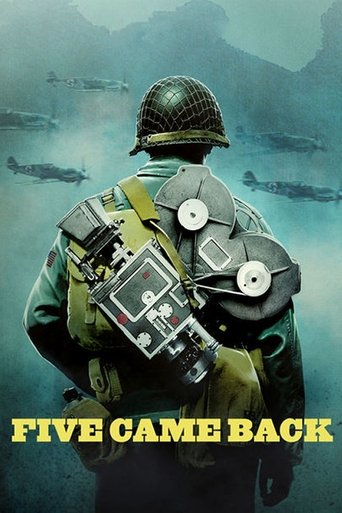
The extraordinary story of how Hollywood changed World War II – and how World War II changed Hollywood, through the interwoven experiences of five legendary filmmakers who went to war to serve their country and bring the truth to the American people: John Ford, William Wyler, John Huston, Frank Capra, and George Stevens. Based on Mark Harris’ best-selling book, “Five Came Back: A Story of Hollywood and the Second World War.”
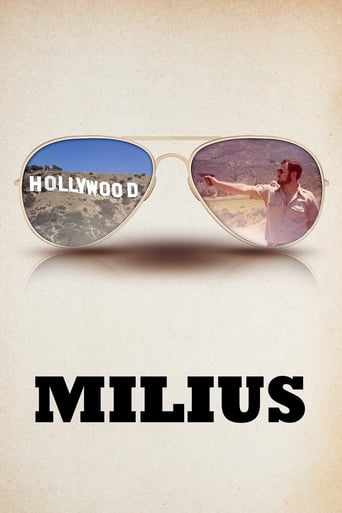
The life story of ‘Zen Anarchist’ filmmaker John Milius, one of the most influential storytellers of his generation.
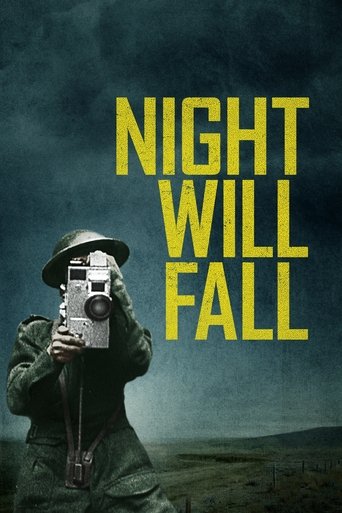
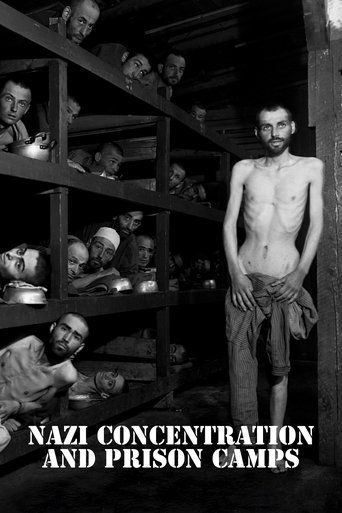
When Allied forces liberated the Nazi concentration camps in 1944-45, their terrible discoveries were recorded by army and newsreel cameramen, revealing for the first time the full horror of what had happened. Making use of British, Soviet and American footage, the Ministry of Information’s Sidney Bernstein (later founder of Granada Television) aimed to create a documentary that would provide lasting, undeniable evidence of the Nazis’ unspeakable crimes. He commissioned a wealth of British talent, including editor Stewart McAllister, writer and future cabinet minister Richard Crossman – and, as treatment advisor, his friend Alfred Hitchcock. Yet, despite initial support from the British and US Governments, the film was shelved, and only now, 70 years on, has it been restored and completed by Imperial War Museums under its original title "German Concentration Camps Factual Survey".
Produced and presented as evidence at the Nuremberg war crimes trial of Hermann Göring and twenty other Nazi leaders, this film consists primarily of dead and surviving prisoners and of facilities used to kill and torture during the World War II.
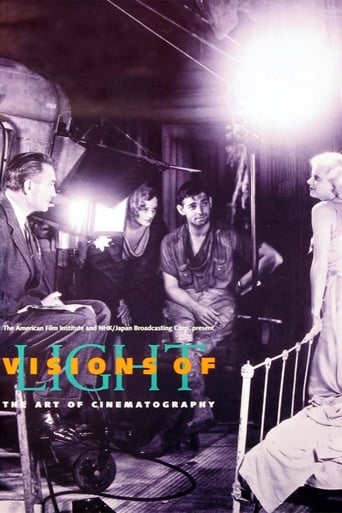
Cameramen and women discuss the craft and art of cinematography and of the "DP" (the director of photography), illustrating their points with clips from 100 films, from Birth of a Nation to Do the Right Thing. Themes: the DP tells people where to look; changes in movies (the arrival of sound, color, and wide screens) required creative responses from DPs; and, these artisans constantly invent new equipment and try new things, with wonderful results. The narration takes us through the identifiable studio styles of the 30s, the emergence of noir, the New York look, and the impact of Europeans. Citizen Kane, The Conformist, and Gordon Willis get special attention.
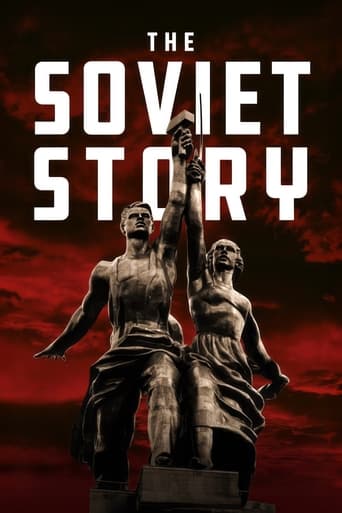
“The Soviet Story” is a story of an Allied power, which helped the Nazis to fight Jews and which slaughtered its own people on an industrial scale. Assisted by the West, this power triumphed on May 9th, 1945. Its crimes were made taboo, and the complete story of Europe’s most murderous regime has never been told. Until now...
Prelude to War was the first film of Frank Capra's Why We Fight propaganda film series, commissioned by the Pentagon and George C. Marshall. It was made to convince American troops of the necessity of combating the Axis Powers during World War II. This film examines the differences between democratic and fascist states.
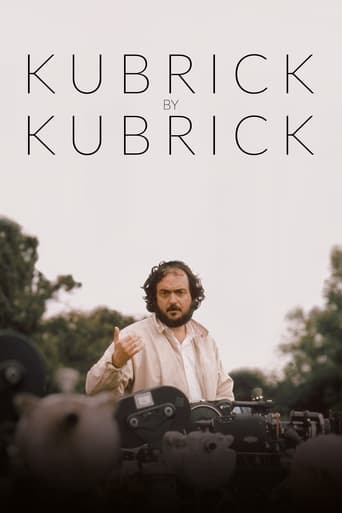
American filmmaker Stanley Kubrick (1928–1999), one of the greatest in history, but also one of the most reserved, gave few interviews throughout his long career, and none of them were filmed. A first-person journey through his life and work, based on a recorded conversation with French film critic Michel Climent.
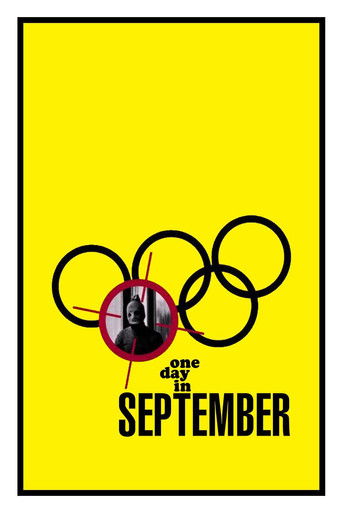
The full story of the 1972 Munich Olympics Massacre and the Israeli revenge operation 'Wrath of God.' The 1972 Munich Olympics were interrupted by Palestinian terrorists taking Israeli athletes hostage. Besides footage taken at the time, we see interviews with the surviving terrorist, Jamal Al Gashey, and various officials detailing exactly how the police, lacking an anti-terrorist squad and turning down help from the Israelis, botched the operation.
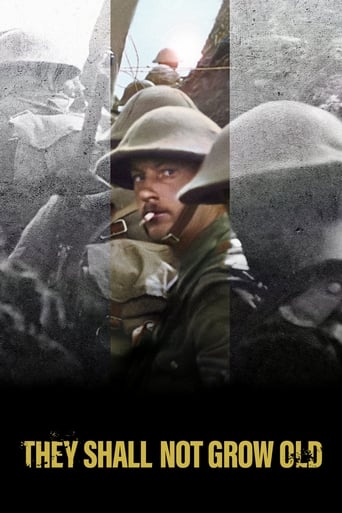
A documentary about World War I with never-before-seen footage to commemorate the centennial of Armistice Day, and the end of the war.
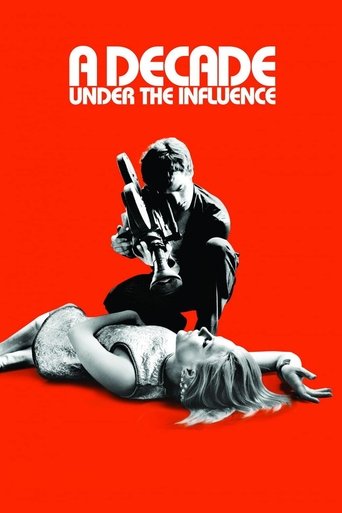
A documentary examining the decade of the 1970s as a turning point in American cinema. Some of today's best filmmakers interview the influential directors of that time.
When Sgt. First Class Brian Eisch is critically wounded in Afghanistan, it sets him and his sons on a journey of love, loss, redemption and legacy.
Activate your FREE Account!
You must create an account to continue watching